

What Happens at Restaurant Closing Time and Why It Leads to Food Waste
Food waste is a global issue but it’s especially visible in everyday settings like restaurants and nowhere more so than at closing time. In the UAE alone, an estimated 3.27 million tonnes of food are wasted every year, at a cost of roughly $3.5 billion to the economy and with about 38% of prepared food going to waste daily in places like Dubai and Abu Dhabi.
Much of this discarded food is not unsafe or unappealing, it simply becomes surplus at the end of service hours which is a major contributor to food waste UAE researchers are trying to address. Understanding this operational timing helps explain how perfectly good meals become food waste, what barriers exist to reducing it and how solutions like Snibbl work in this gap.
1. The Closing Time Problem: Why Surplus Happens and Becomes Food Waste
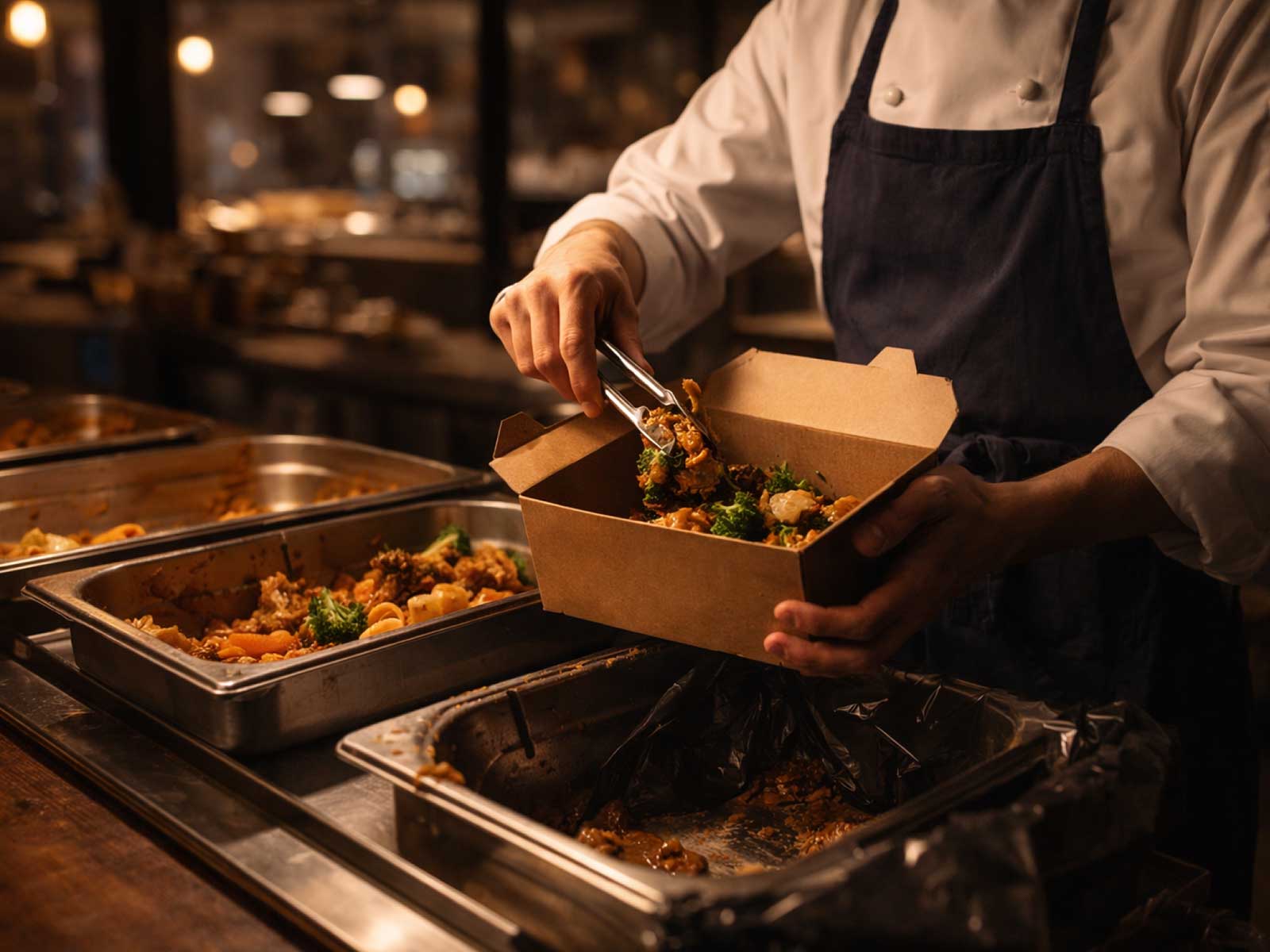
Restaurant kitchens operate under uncertainty. To ensure customers have fresh food available throughout the day, chefs often prepare more than they expect to sell. This ensures service quality but creates extra prepared food. At closing time:
- Demand drops abruptly
- Prepared, ready-to-eat food remains unsold
- Food isn’t kept for sale the next day due to quality and policy reasons
Without a way to connect this surplus with people who want it, most of it ends up in the bin.
In the UAE, where roughly 40% of prepared food is wasted annually, a large share comes from hospitality settings where timing and demand are unpredictable.
2. Why Timing Matters: The Visibility Gap at Closing Time
One of the biggest challenges in tackling food waste is that most consumers don’t actively search for affordable surplus options right when they are available. Consider how food apps currently work:
- Food delivery app Dubai services focus on peak meal times, not last-minute surplus offerings
- Food apps in Dubai emphasize convenience and choice, not end-of-day visibility
As a result:
- Perfectly good meals remain unsold
- Restaurants face the same operational waste patterns day after day
- Consumers miss opportunities for lower-cost, high-quality food
This timing gap where the supply of surplus food is high but demand from standard food apps is low means that most unsold food becomes food waste before it can be recovered.
3. How Snibbl Helps Reduce Food Waste at Closing Time
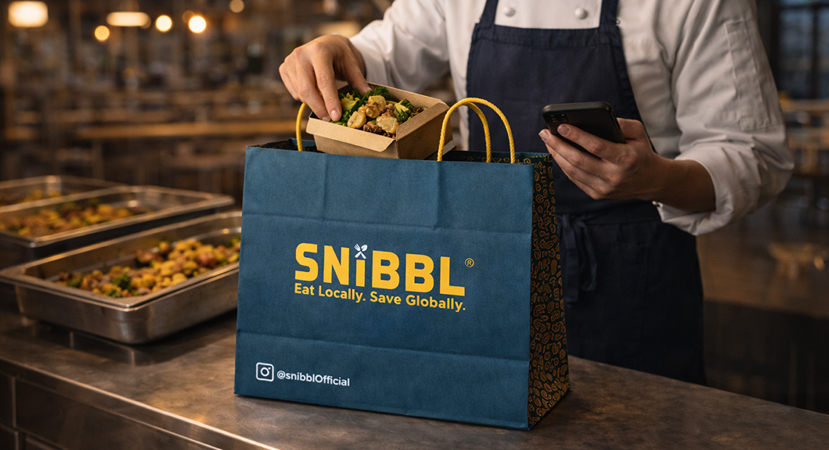
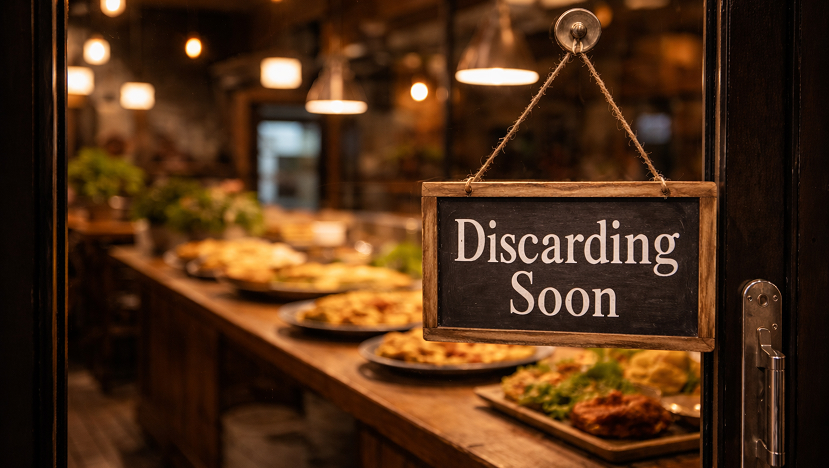
Snibbl allows restaurants to list their surplus meals before closing time, turning last-minute excess into accessible options for people who want them. Here’s how it works:
- Restaurants prepare surplus food as usual
- Before closing time, they list these meals on the platform
- Customers using Snibbl can find and reserve surplus meals
- This increases visibility at the exact moment surplus exists
For consumers, Snibbl is another entry in the ecosystem of food apps Dubai users know but it’s focused on the closing-time surplus window rather than standard delivery or on-demand ordering.
By doing this, Snibbl helps:
- Reduce food waste that would otherwise be thrown away
- Give restaurants a way to recoup some costs
- Offer affordable meal options to users
By limiting availability to surplus quantities and closing-time windows, the system aligns with how kitchens already operate.