

Buffet Near Me in Dubai: Great Dining, Hidden Costs & A Smarter Way to Enjoy Variety
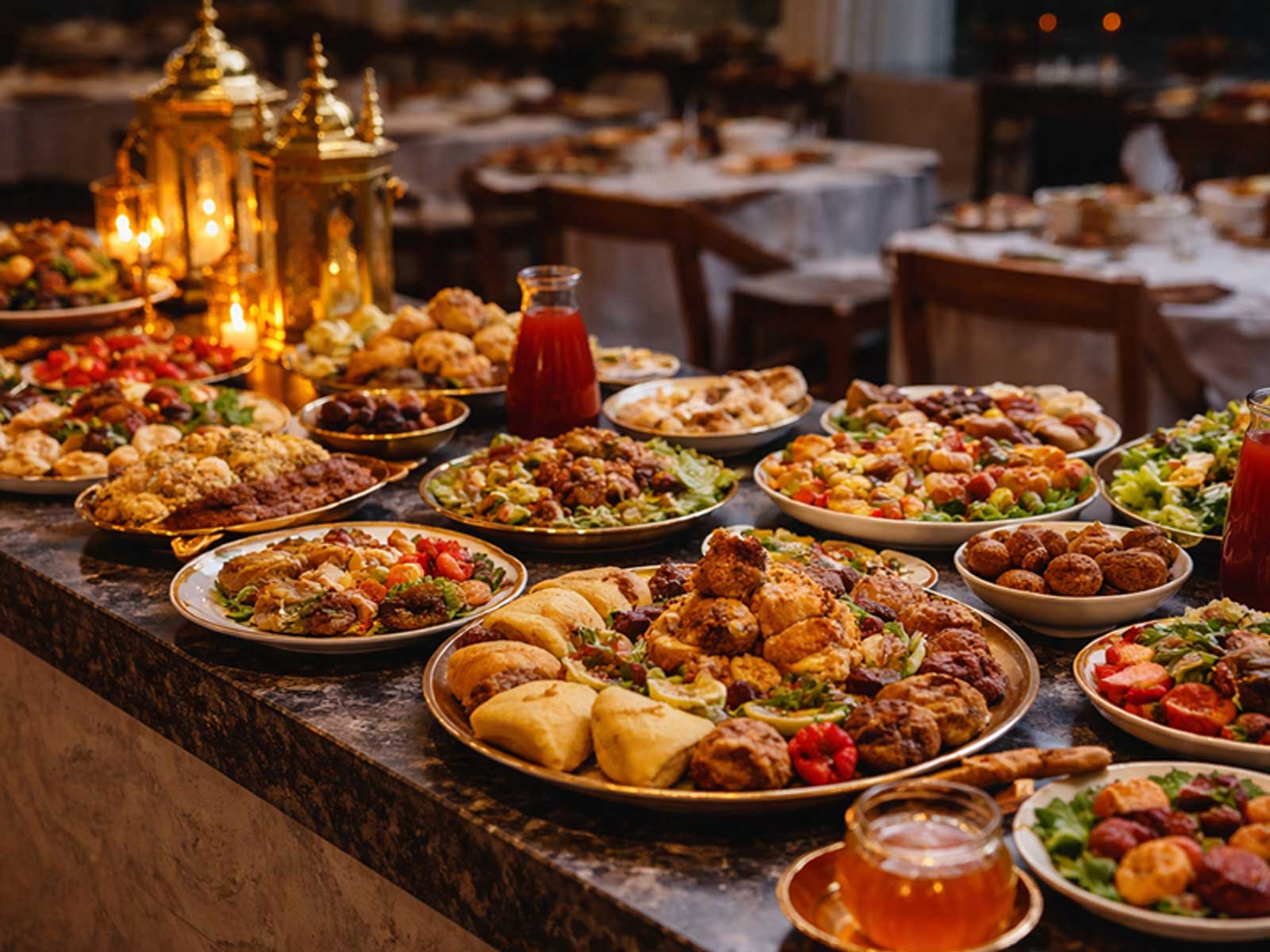
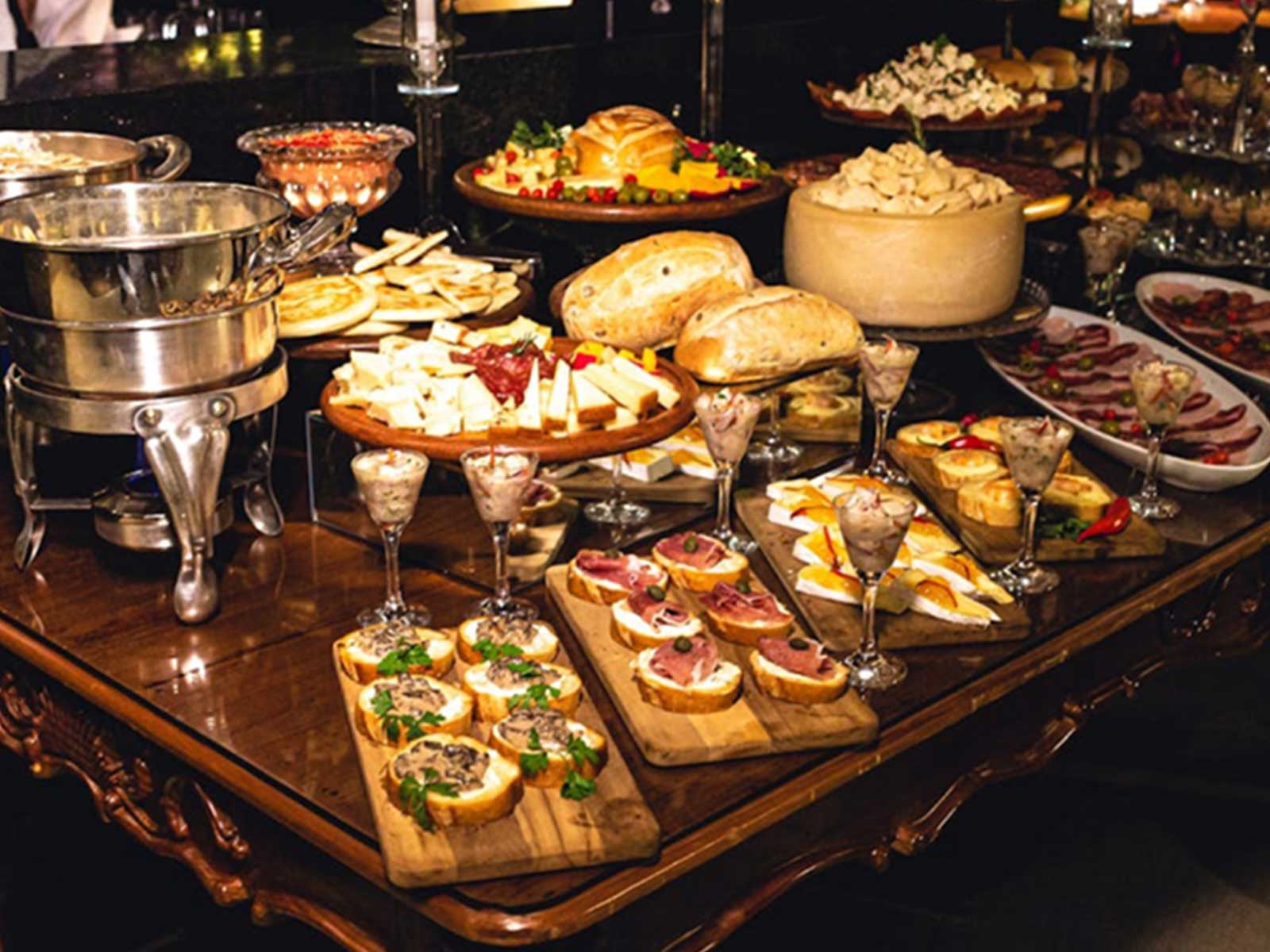
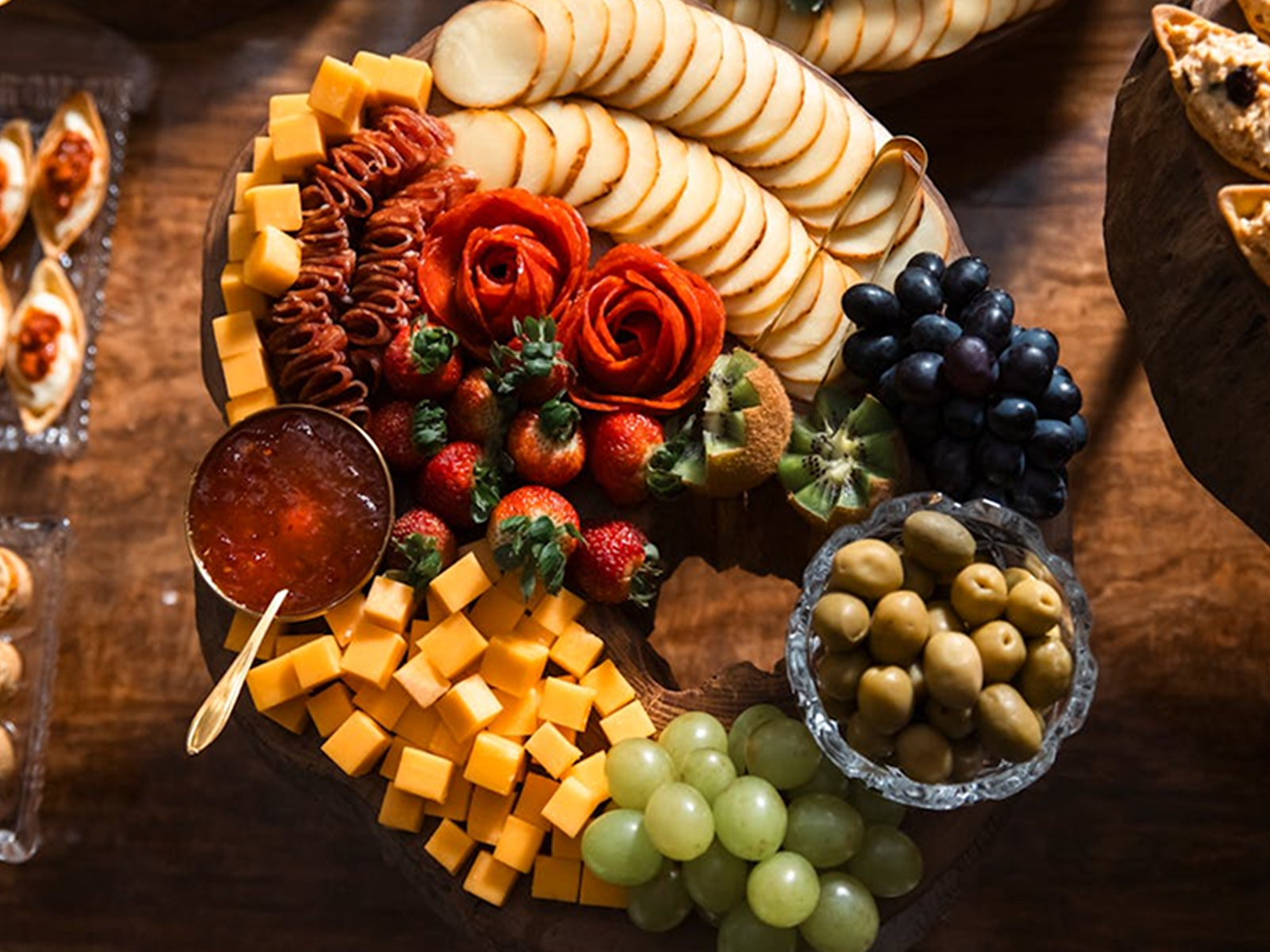
Dubai is famous for its buffets. A simple search for buffet near me, lunch buffet near me or dinner buffet near me brings up endless hotel spreads, brunch deals and all-you-can-eat offers. For many people, buffets feel like the easiest way to enjoy variety in one meal because they get a little bit of everything in one place. But buffet dining also comes with a side people rarely talk about.
To keep a buffet attractive, restaurants must prepare more food than they expect to serve but nearly half of this gets wasted. A half-empty buffet looks disappointing, so trays are refilled until the very end of service. When demand is lower than predicted, that perfectly good food often has nowhere to go. At the same time, diners tend to serve themselves more than they can comfortably finish, simply because they’ve paid a fixed price. No one plans to waste food yet it happens quietly and consistently. This creates a mismatch between what diners actually want and how buffets operate. Most people aren’t trying to overeat, they just want good variety, fair value and a satisfying meal.
That’s where a smarter approach to dining starts to matter. Instead of focusing on unlimited quantity, more people are beginning to value intentional choices: enjoying what they truly like, paying for what they’ll actually eat and appreciating food for its quality rather than its volume.
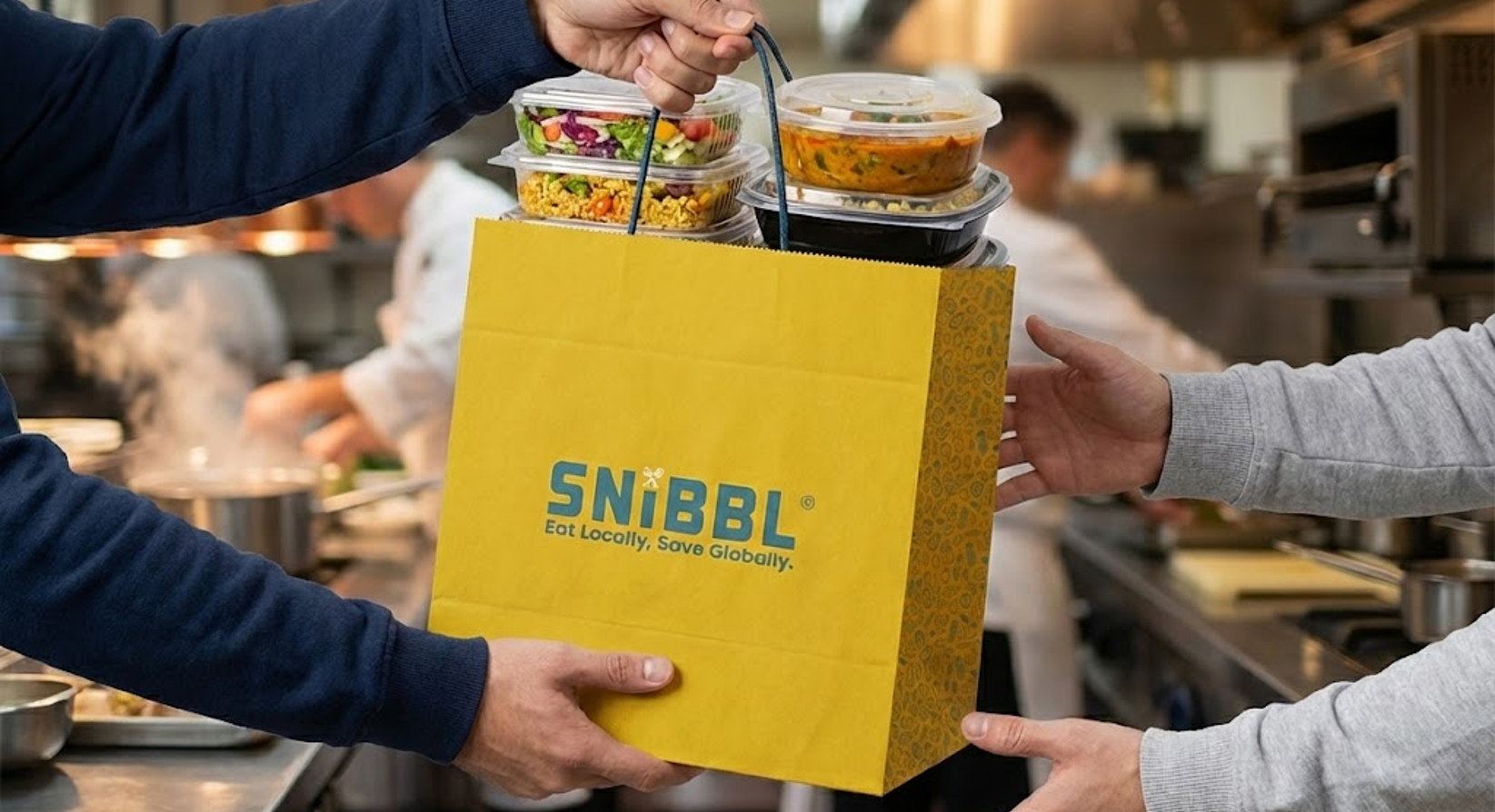
Snibbl fits into this shift naturally. By connecting people in Dubai to surplus food from restaurants and hotels at reduced prices, it gives good food a second chance to be enjoyed. These are freshly prepared meals that simply weren’t sold in time. Diners still get variety and quality, just in a way that feels more thoughtful and sustainable. In the end, buffet culture isn’t bad, it’s just evolving. When people realize they can enjoy great food, spend less and reduce food waste at the same time, the idea of value starts to look a little different
Lunch Buffet Near Me vs Dinner Buffet Near Me: What’s Actually Worth It?
When users search Lunch Buffet Near Me vs Dinner Buffet Near Me, they’re usually deciding between price and experience but the real difference goes beyond timing and menu size.
Lunch Buffets: Practical but Strategically Limited
Lunch buffets are popular because they’re:
- More affordable
- Faster and lighter
- Less crowded
- Ideal for weekday dining
Lunch buffets are designed for predictability. Restaurants expect steady office crowds, so they prepare smaller batches and simpler menus that turn over quickly. Waste at lunch usually happens when demand suddenly drops like office cancellations or slower footfall.
Dinner Buffets: Experience-Driven but Risk-Heavy
Dinner buffets focus on experience:
- Live stations
- Premium dishes
- Social dining
But dinner service is about visual abundance. Even near closing, trays must look full. That often means fresh refills replace half-finished ones.
Because of food safety rules, those trays usually can’t be reused. So dinner waste comes from maintaining the experience, not poor planning.
Smart Insight
If you enjoy dinner buffet variety but don’t love the inflated pricing or the idea of good food being discarded, there’s a smarter middle ground. Surplus-food platforms give access to quality food that was already prepared by restaurants, just at the right time before it goes unused.
Many diners find this more satisfying because:
- The value feels real, not psychological
- There’s less pressure to overeat
- The experience feels intentional
It’s not about replacing buffets.
It’s about choosing abundance without the waste.
All You Can Eat Near Me: The Hidden Trade-Offs Behind Buffet Value
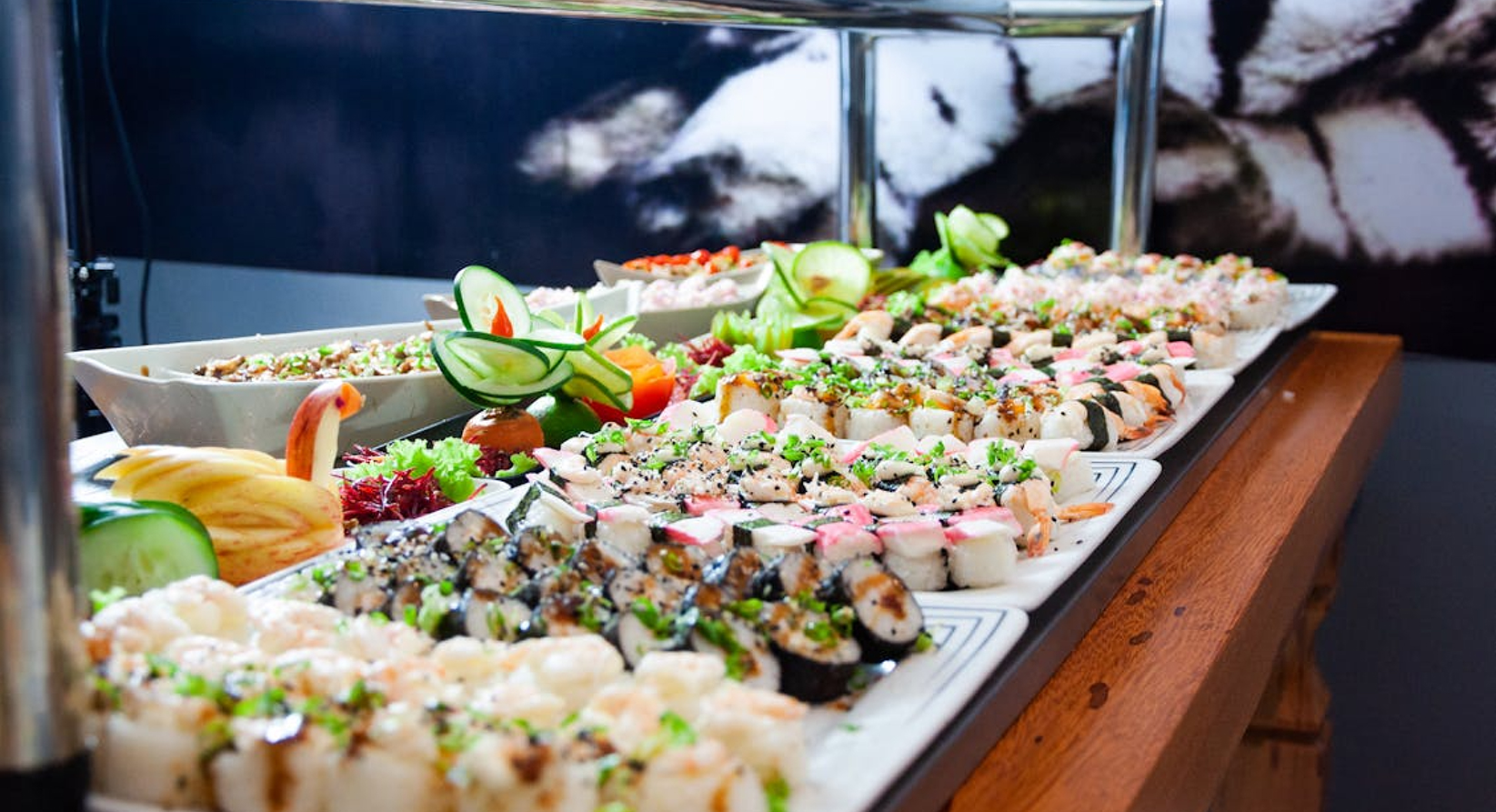
The phrase ‘all you can eat near me’ is one of the most searched dining terms in Dubai but it comes with trade-offs that are invisible to diners.
Buffets are engineered around prediction, not just cooking. Restaurants forecast how much each dish will be consumed per hour. When a dish is popular, they overproduce slightly so trays never look empty. When a dish is less popular, it still gets refilled because a buffet must look complete. This is how surplus quietly builds up.
Many diners assume waste mainly comes from unfinished plates. In reality, a large portion of buffet waste happens before food ever reaches a plate. Once a tray has been out for a certain time, food safety rules often prevent it from being reused, even if it’s untouched. So a full tray replaced for freshness can mean the previous one is discarded.
What Actually Affects Buffet Value:
- Timing affects freshness more than people realize
Arriving very late doesn’t always mean fresher food. Sometimes it means refilled trays that may never be fully served before closing. - Menu complexity raises prices
The more cuisines offered, the harder demand is to predict. That uncertainty is built into the price you pay. - Large spreads don’t mean equal consumption
Buffets may offer 40–60 items, but most diners repeatedly choose 8–12. The rest exists for perception of variety. - Portion psychology drives behavior
People tend to take more of high-value items (like meats or desserts) to “balance” the cost, even if they don’t enjoy them as much.
Why Some Diners Are Rethinking Buffets
A growing number of Dubai diners still love restaurant-quality food and variety but they prefer it in a way that feels smarter and less excessive. They’re realizing that value isn’t just quantity, it’s timing, quality and intention.
This mindset shift is one reason surplus-food platforms like Snibbl are gaining attention. Instead of preparing food purely for display volume, restaurants can redirect good meals that were freshly made but not sold in time. Diners still get quality and variety but in a way that aligns better with real appetite and real value.
It’s not about avoiding buffets. It’s about understanding how they work so you can choose when they truly make sense.
How Snibbl Prevents Food Waste & Why It Matters
Food waste isn’t always careless or intentional. Most of it is accidental. Restaurants don’t over-prepare because they want to waste food, they do it because running out can damage customer trust and reputation.
- They can’t predict exact demand
- Running out hurts reputation
- Buffets must look full until closing
- Food safety rules limit reuse
This creates a daily surplus of perfectly good meals.
What many diners don’t realize is how small forecasting errors can create big surplus. A restaurant expecting 100 guests might get 80. A slow day can suddenly turn busy or vice versa. Buffet food is prepared in advance and once it’s displayed, the clock starts on how long it can be served.
Even untouched trays may need to be replaced to meet freshness standards. The food is still good, it just can’t be held indefinitely. That’s how surplus builds up quietly.
Instead of letting good food go to waste, Snibbl helps redirect freshly prepared surplus meals to nearby diners at lower prices to save food that was freshly prepared but simply not sold in time.
For diners, this means:
- Saving money on quality meals
- Reducing guilt around waste
- Supporting practical sustainability
- Helping restaurants recover value
A smarter balance between enjoying variety and respecting food turns buffet culture into something more mindful, not excessive.