

Sustainability Is Becoming a Customer Expectation for Restaurants
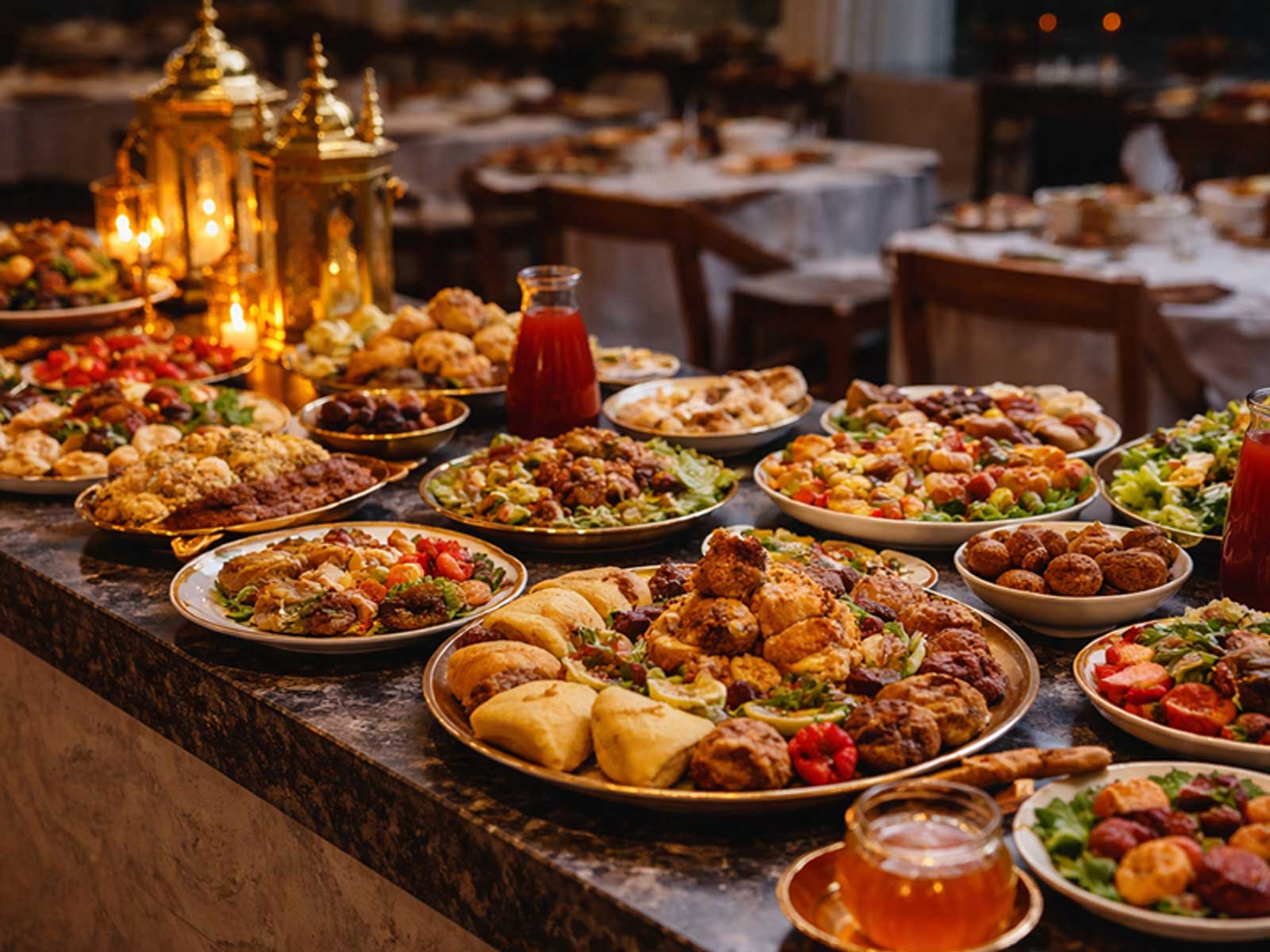
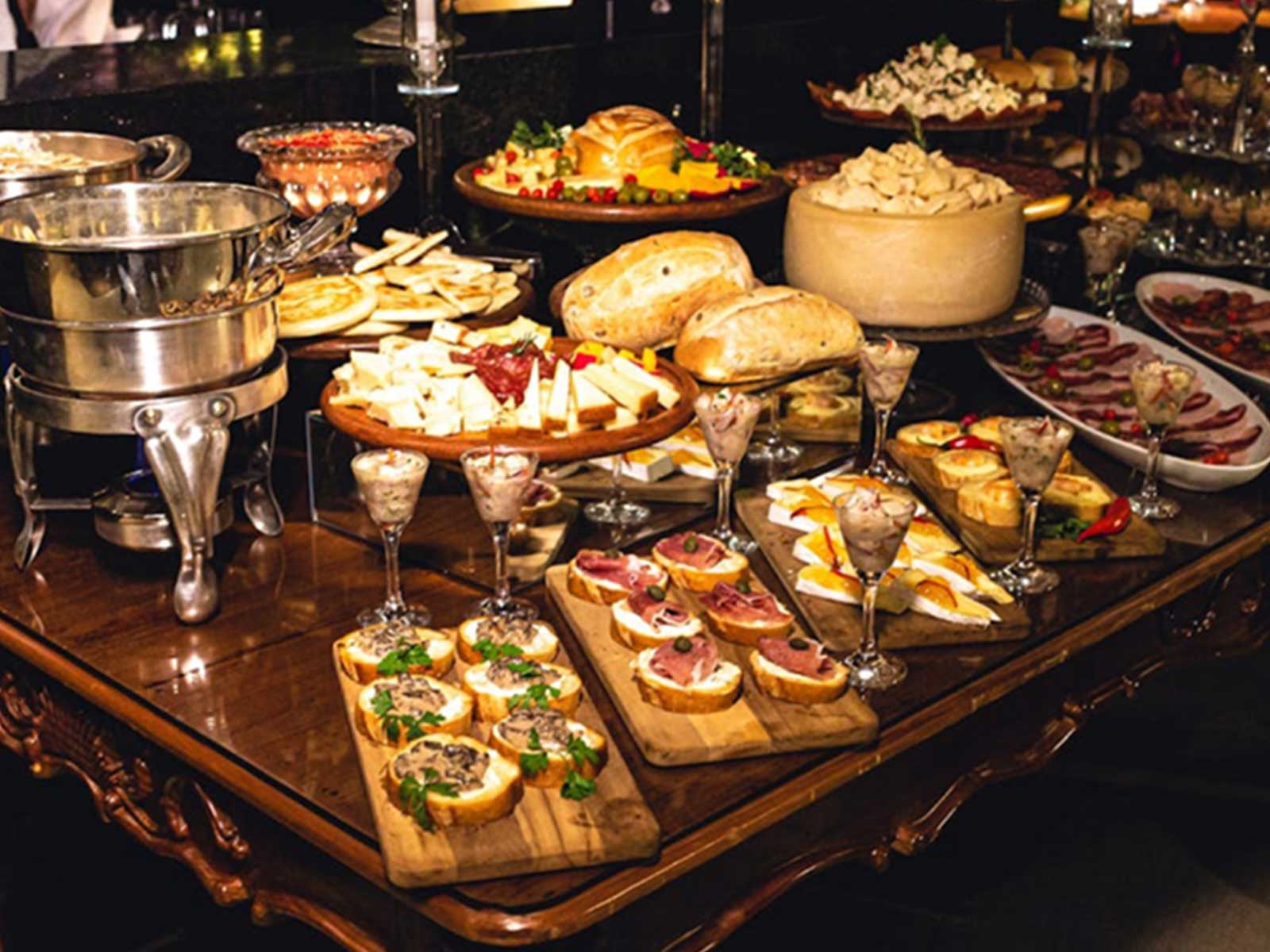
Most restaurants produce a certain amount of surplus food every day as part of normal operations. Kitchens prepare extra portions to avoid running out during busy service periods, bakeries stock additional items to maintain display variety and ready-to-eat meals are often produced in batches to maintain speed and consistency. Because customer demand changes from day to day and even hour to hour, it is difficult to match production perfectly with actual sales.
As a result, prepared meals, bakery products and grab-and-go items often remain unsold at the end of service. Traditionally, this surplus has been treated as an unavoidable part of running a restaurant, contributing to ongoing food waste that is absorbed as a routine operating cost. Food may be discarded, given to staff or discounted informally without any consistent system for recovery or tracking. At the same time, customer expectations around sustainability are steadily evolving. Diners are becoming more aware of food waste and increasingly prefer restaurants that operate in a more sustainable and responsible way. Many customers appreciate businesses that make practical efforts to reduce waste rather than simply talking about sustainability in marketing materials. Despite this shift, many restaurants still lack structured methods to manage surplus food in a sustainable and predictable way without disrupting their pricing strategy or daily workflow.
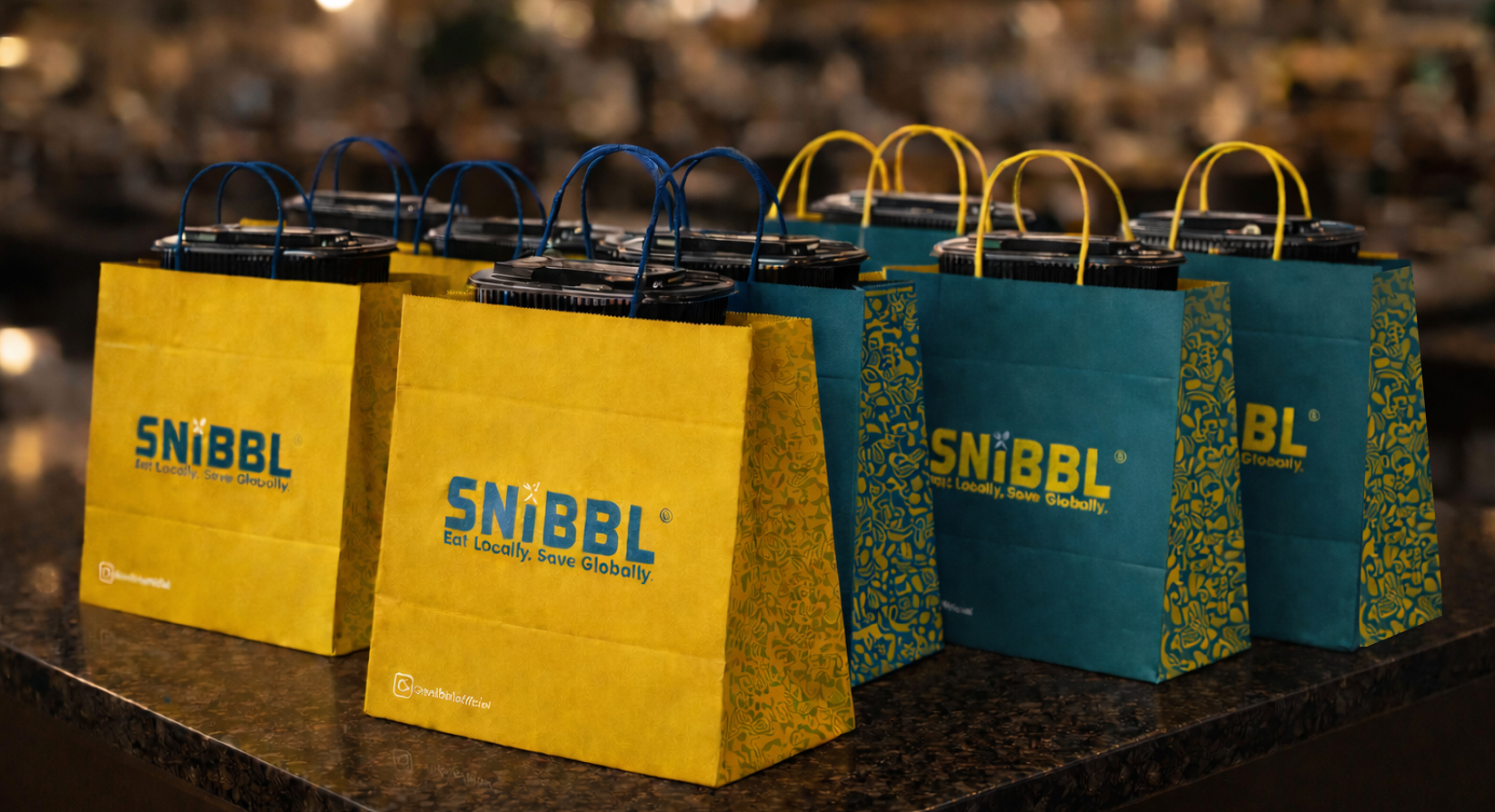
Snibbl provides restaurants with a practical way to reduce food waste by turning surplus into a managed output through Mystery Bags, Saver Box and Dining. Instead of treating surplus food as a loss, restaurants can recover value while demonstrating real sustainability in everyday operations without affecting regular service or customer experience.
1. Why Customers Are Paying More Attention to Food Waste
Food waste is becoming more visible to customers and sustainability is increasingly influencing how people choose where to eat. Many diners today are more aware of how food is produced, prepared, consumed and this awareness extends to how restaurants manage surplus food. Customers understand that some surplus is unavoidable but they increasingly expect businesses to make reasonable efforts to reduce unnecessary food waste. Seeing usable food discarded can create a negative impression of inefficiency and poor resource management, while structured surplus recovery signals a more sustainable and responsible approach. Restaurants that actively reduce food waste often appear more organized and professionally managed, which strengthens customer confidence in the business as a whole.
Surplus recovery also creates a different type of customer interaction compared to traditional discounting. When customers purchase surplus food, they often feel that they are contributing to a sustainable solution rather than simply buying a cheaper meal. This creates a sense of participation that strengthens the relationship between customers and restaurants. Instead of focusing only on price reductions, surplus recovery highlights responsible practices and efficient use of ingredients. Over time, restaurants that consistently reduce food waste through sustainable methods can build stronger trust and long-term loyalty among customers who value both affordability and sustainability in their dining choices.
As sustainability awareness continues to grow, food waste reduction is becoming part of how customers evaluate restaurants. Alongside factors such as convenience, taste and price, many diners now consider whether a business operates responsibly. Restaurants that demonstrate consistent surplus recovery are often better positioned to meet these expectations, particularly in competitive areas where customers have many dining options. Sustainable practices increasingly contribute to overall brand perception and influence how customers decide where to eat.

2. Practical Sustainability Customers Can Actually See
Many sustainability initiatives focus on long-term goals or general messaging but customers tend to respond most strongly to practical and visible improvements in daily operations. Broad sustainability statements on menus or websites often have limited impact unless they are supported by real actions that customers can recognize. Structured surplus recovery is one of the clearest ways restaurants can demonstrate sustainable operations because it directly addresses food waste in a measurable way. When surplus food is consistently recovered instead of discarded, customers can see that sustainability is part of normal operations rather than an occasional initiative.
Managing surplus food carefully also signals efficiency and operational discipline. Restaurants that track and recover surplus tend to maintain better control over production levels, purchasing and preparation routines. This improves consistency across service periods and reduces uncertainty around closing time decisions. Staff no longer need to rely on last-minute judgments about what to throw away or discount informally, and surplus recovery becomes part of a predictable routine. These structured processes create a more stable workflow while reducing unnecessary food waste over time.
Practical sustainability does not require major investments or complex operational changes. Small improvements in how surplus food is identified, grouped and recovered can produce meaningful results without disrupting kitchen routines. Restaurants that integrate sustainable surplus management into everyday operations often appear more modern and professionally run. Customers recognize these improvements even when they are subtle, and consistent waste reduction helps reinforce the perception that the restaurant values both quality ingredients and responsible resource use.
3. How Snibbl Helps Restaurants Reduce Surplus Sustainably
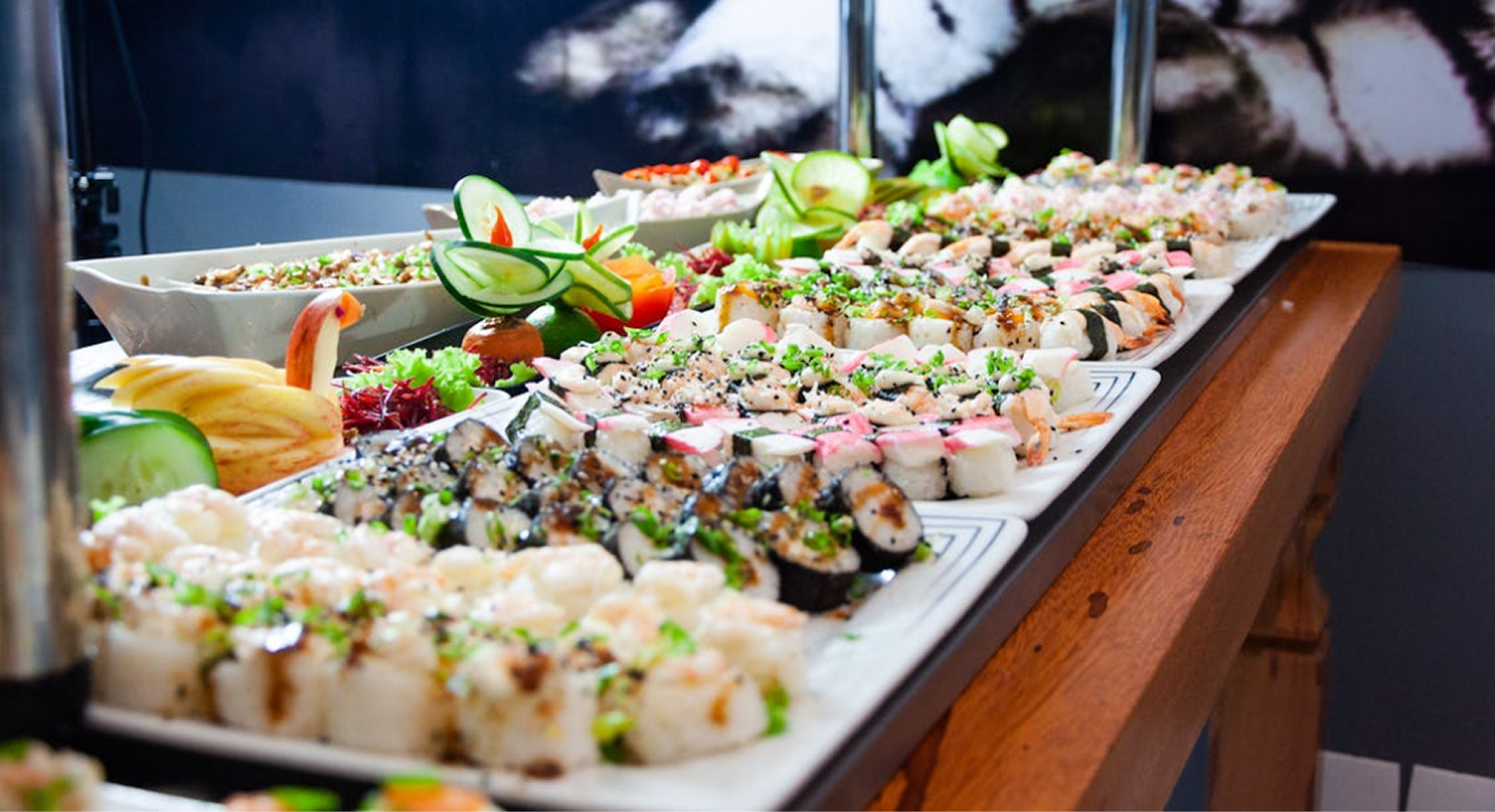
Snibbl helps restaurants manage surplus food in a structured and sustainable way by turning potential food waste into a predictable and recoverable part of daily operations. Instead of relying on inconsistent end-of-day decisions, restaurants can use Snibbl to create a defined process for identifying and recovering surplus food through Mystery Bags, Saver Box and Dining. Each format supports a different type of surplus, allowing restaurants to recover value from prepared meals, bakery items and ready-to-eat products that might otherwise become food waste. This structured approach allows surplus recovery to fit naturally into existing kitchen and closing routines without requiring major operational changes.
By using Snibbl, restaurants can demonstrate sustainability in a practical and measurable way that customers can understand. Surplus food becomes part of a transparent recovery system rather than an invisible loss at the end of the day. Customers who use Snibbl know that they are purchasing food that might otherwise go to waste, which reinforces the restaurant’s commitment to sustainable practices. This creates a positive association between the restaurant and responsible food management while also attracting customers who actively look for sustainable dining options.
Over time, structured surplus recovery through Snibbl helps restaurants reduce food waste while improving operational consistency and cost control. Kitchens gain better visibility into production patterns, managers can identify recurring surplus trends and teams develop predictable routines around surplus handling. Instead of treating surplus food as an unavoidable loss, restaurants can turn it into a managed output that contributes to both sustainability goals and financial performance. Snibbl makes sustainable surplus recovery practical, consistent and easy to maintain, helping restaurants adapt to changing customer expectations while improving everyday efficiency.