

Why Ramadan Produces More Food Waste in the UAE Than Any Other Time of Year
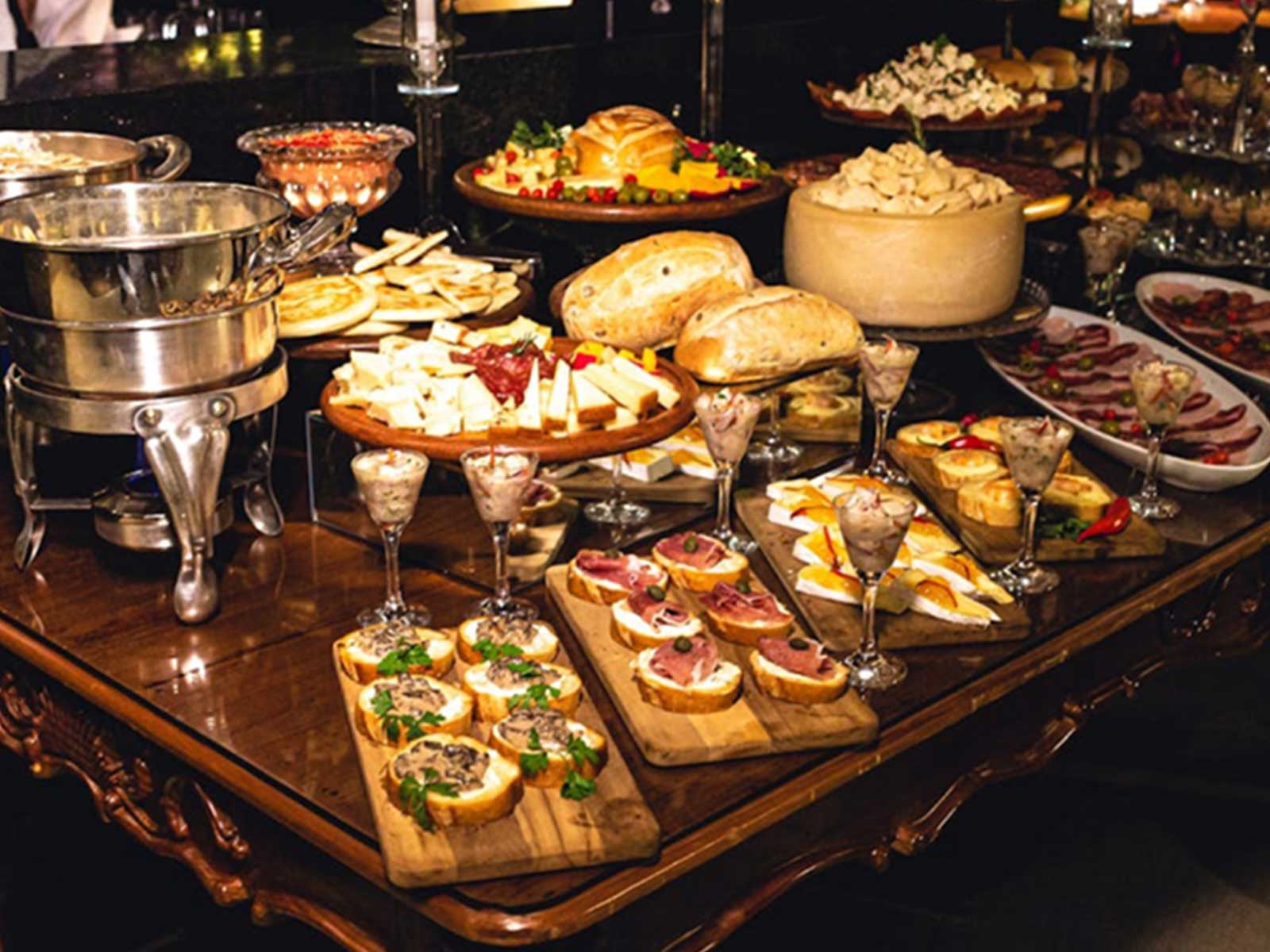
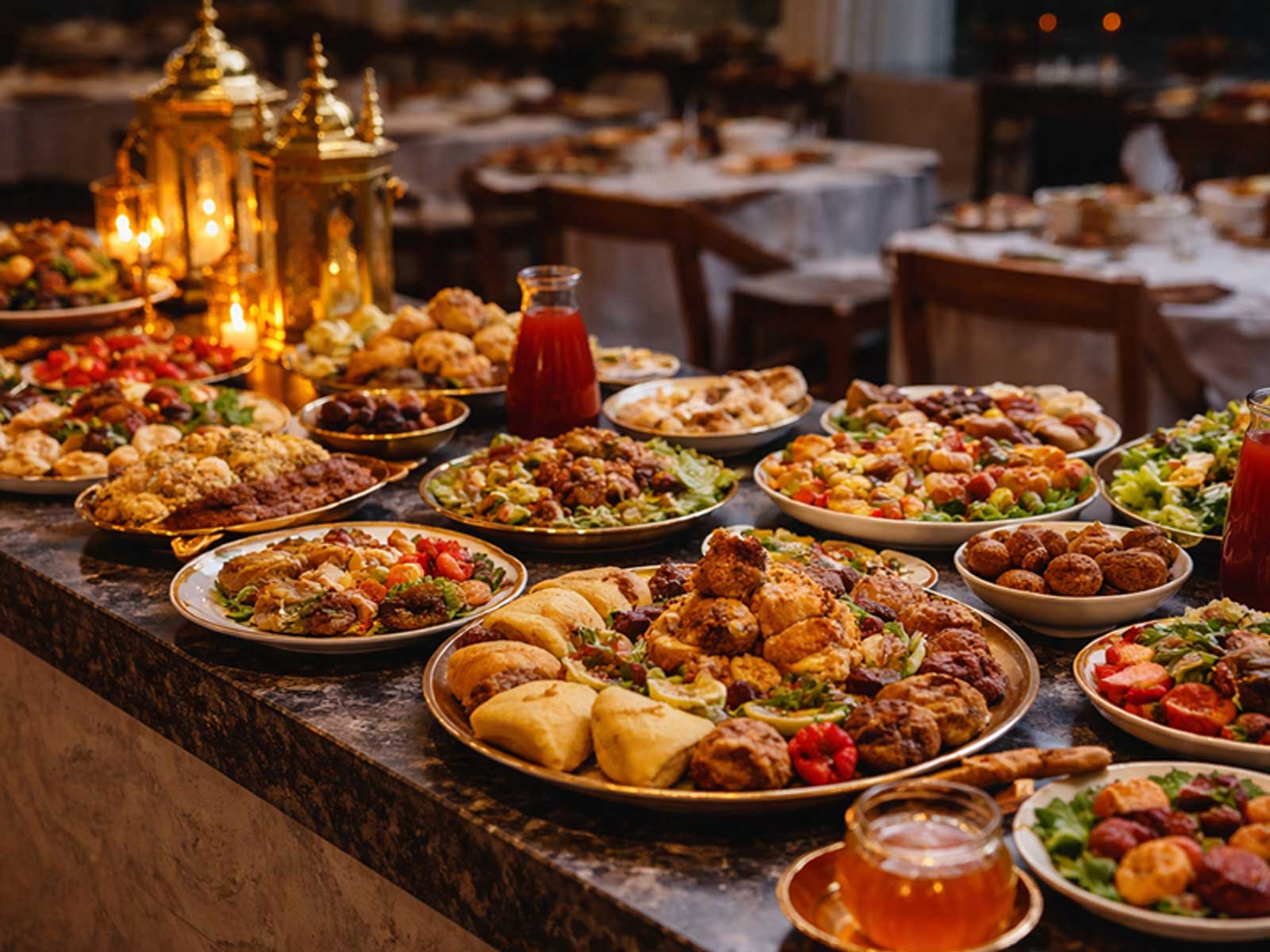
Every Ramadan, households, restaurants and hotels across the UAE prepare food on a scale that reflects generosity, tradition and cultural pride. Iftar tables are filled beyond what guests can eat and hospitality is expressed through abundance rather than precision. The problem is that this abundance consistently produces the highest food waste volumes of the entire year and most of it happens in the final hours before midnight. The gap is a structural one: food is prepared for peak social moments but no system exists to redirect what remains once those moments have passed. Snibbl works within this gap by enabling restaurants and food businesses to make surplus Iftar food visible before it becomes waste, connecting it with people who can still use it during the very window when it would otherwise be discarded. Understanding why this problem exists requires understanding how Ramadan reshapes food behaviour across the UAE at every level, from individual households to large hotel dining operations.
1. Why Food Waste in the UAE Peaks During Ramadan
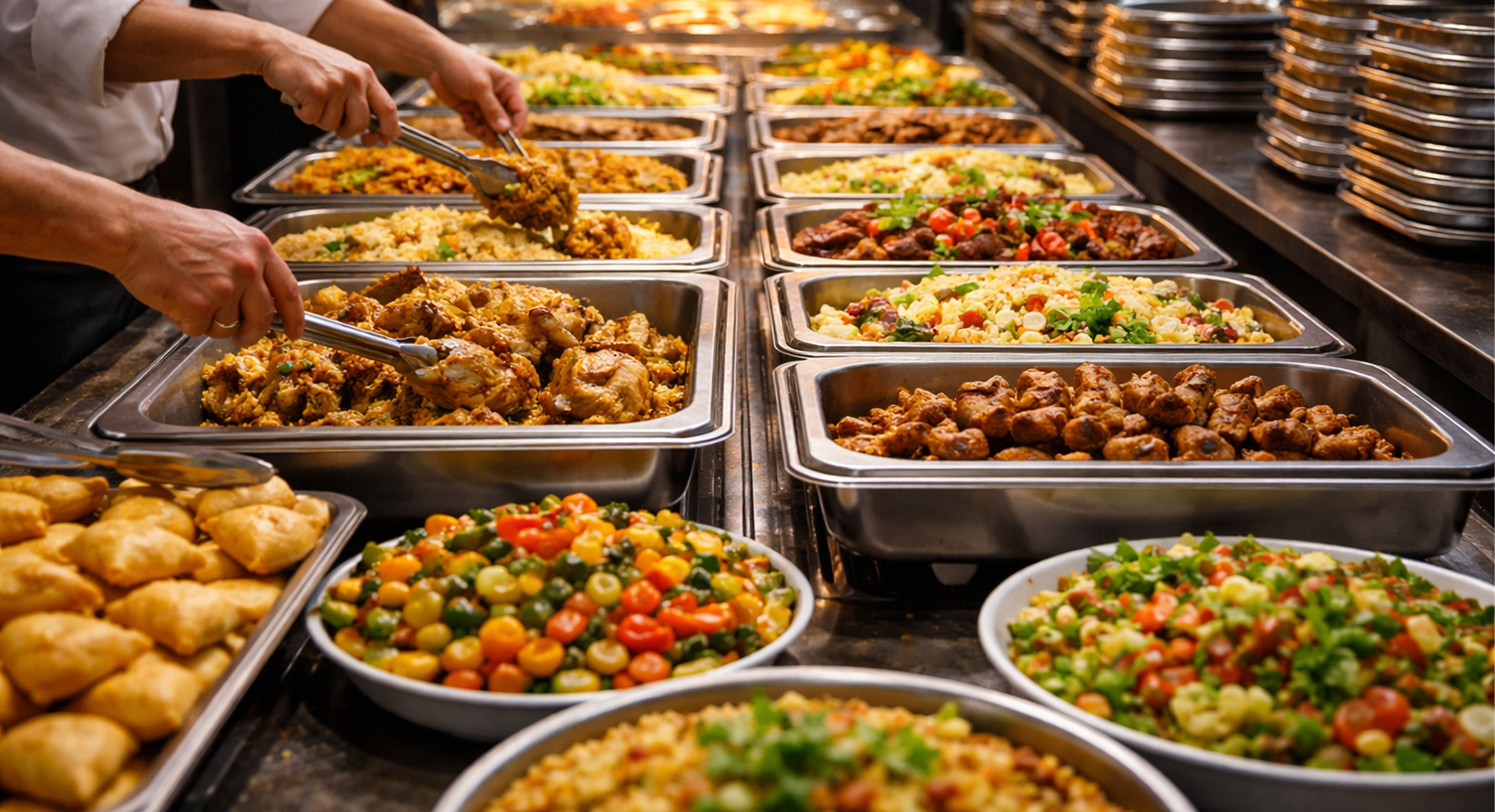
Ramadan restructures the entire rhythm of eating across the UAE. Meals shift to two primary windows, Iftar at sunset and Suhoor before dawn and food preparation scales up dramatically to meet both. Restaurants launch special set menus, hotels run large Iftar buffets and households cook for extended family gatherings that may or may not arrive in the expected numbers. Every layer of the food system responds to the month by preparing more, because preparing less is understood as a failure of hospitality rather than a practical decision.
According to the United Nations Environment Programme, food waste in Muslim-majority countries increases by as much as during Ramadan compared to the rest of the year. In the UAE, where dining culture is already centred on generosity and variety, this seasonal spike is even bigger. The core driver is social expectation: preparing too little is considered inhospitable so nearly everyone prepares more than needed. Restaurants build buffer into every Iftar menu, hotels fill their buffet stations to capacity for the full duration of service and home cooks account for guests who may arrive late or bring additional family. The surplus that results from all of this rarely has anywhere to go once the meal is over.

2. Why Iftar Surplus Is Harder to Redistribute Than Everyday Waste in Ramadan
Iftar food is not wasted because it is poor quality. It is wasted because of timing and the structural mismatch between when surplus becomes available and when redistribution systems are able to respond. Surplus from Iftar service becomes accessible in a narrow window, typically between 9pm and midnight, when most food donation channels are not operating. Food banks have limited late-night capacity, delivery infrastructure is not configured for last-minute collection at scale and the volume involved during Ramadan far exceeds what informal sharing networks can absorb on a nightly basis across an entire month.
Restaurants face an additional constraint that makes the problem more acute than it appears. Iftar set menus are built around dishes that do not hold well overnight. Rice, broths, fried items and slow-cooked proteins all degrade in quality after a few hours and cannot be safely or meaningfully resold the following day under standard food safety guidelines. Unlike everyday surplus where refrigeration and next-day discounting is sometimes possible, Ramadan surplus must move the same night it is prepared or it will not move at all. This creates a very short and very consistent window each evening where the difference between food being saved and food being wasted comes down entirely to whether a system exists to connect it with the right people in time.
3. How Food Waste Can Be Solved Within Ramadan's Own Rhythms
The solution to Ramadan food waste does not require changing how people cook or what they value about the month. It requires building better visibility into the hours between Iftar service closing and midnight. That is the window where surplus food is still warm, still viable and still worth saving but currently invisible to anyone who might want it. The cultural and logistical conditions of Ramadan are fixed. What is missing is not intention but infrastructure, and specifically the kind that operates in real time rather than responding after the fact.
Platforms that allow restaurants and food businesses to surface surplus food during their closing window are particularly well suited to this problem. Rather than waiting for end-of-season sustainability reviews or relying on manual coordination between kitchens and charities, they address waste at the exact point it is created: on a specific evening, before a specific kitchen closes. Snibbl is built around exactly this model, enabling food businesses across the UAE to list surplus meals in real time so they reach people who can use them rather than being discarded at the end of service. During Ramadan, when the volume of surplus is at its highest and the window to act is at its narrowest, this kind of targeted visibility matters more than at any other point in the year.