

Easy Banana Bread Recipe: A Healthier Way to Use Overripe Bananas
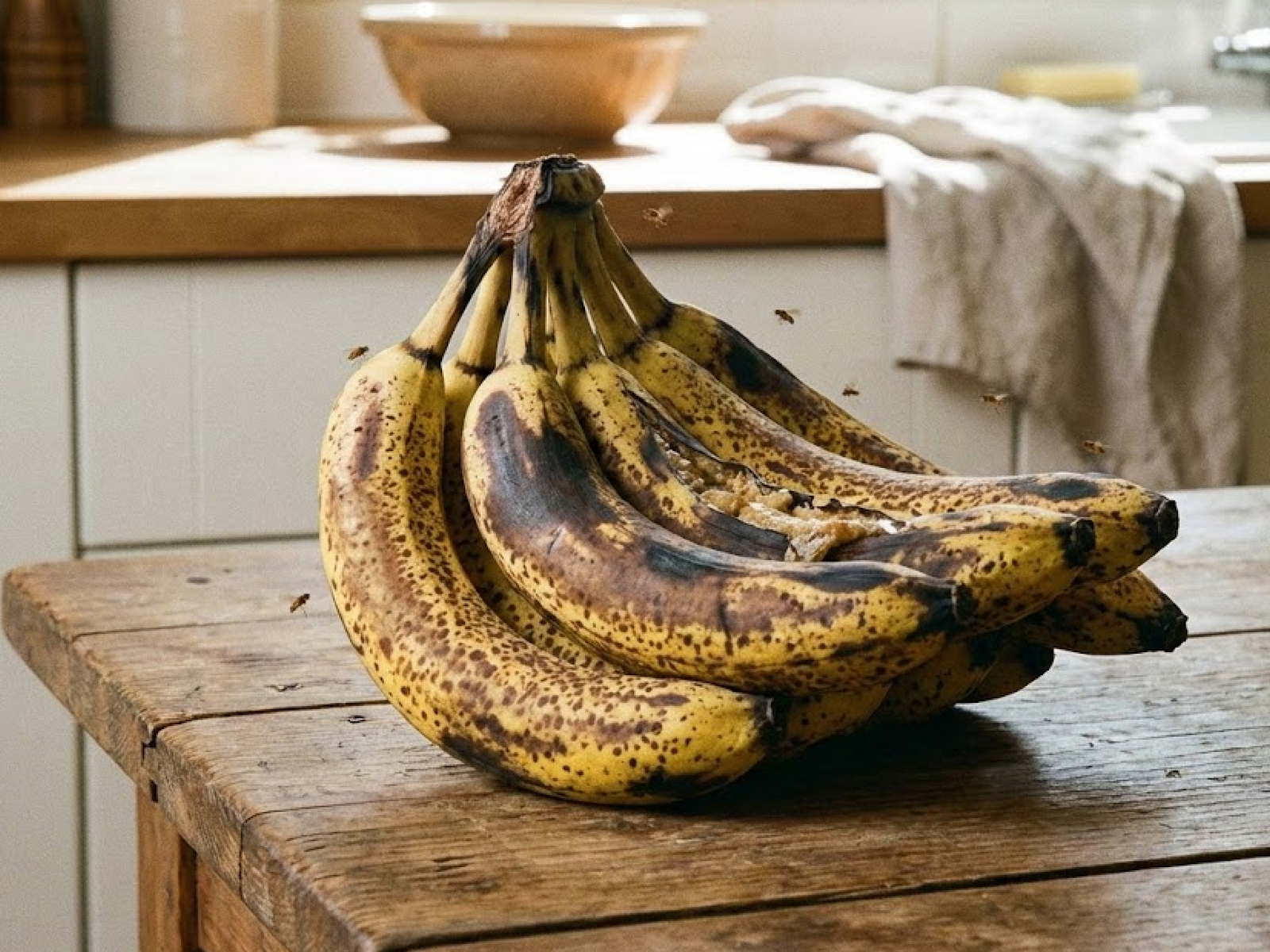
If you have ever had bananas sitting on your counter just past their prime, you are already holding the perfect base for a healthier, homemade loaf. Banana bread is one of the simplest ways to turn overripe fruit into something fresh and filling, a true example of turning “almost wasted” into something valuable.
This easy banana bread recipe focuses on making a loaf that’s moist, naturally sweet and flexible enough to suit healthier preferences. It’s designed for everyday baking whether you want a lighter snack, a quick breakfast option or a smarter way to use bananas before they go to waste.
Overripe bananas are ideal for banana bread because as bananas ripen, their natural sugar increases, the texture softens and flavor becomes deeper and sweeter. This means you can use less added sugar, get a softer crumb and create a richer banana flavor. Instead of throwing away spotted bananas, banana bread gives them a second life by transforming excess ripeness into moisture, sweetness and structure. Homemade banana bread allows you to control sugar and fat, reduce food waste and create a filling, portable snack. It’s not just baking, it’s a practical, everyday way to turn surplus into something nourishing.
This is From Bin to Win baking: using what you already have, reducing waste and creating something better in the process.
1. How to Make Banana Bread (Healthier Base Method)
This method is designed to work with healthier swaps while being a simple banana bread recipe.
Prep time: 10 minutes
Cook time: 45–55 minutes
Servings: 8–10 slices
Oven: 175°C / 350°F
Pan size: Standard 9×5 inch loaf pan
Core Ingredients:
- 3 ripe bananas (about 1 cup mashed)
- 1½ cups flour or oat flour
- 2 eggs
- ⅓ cup oil or ½ cup yogurt
- ½ cup sugar or natural sweetener
- 1 tsp baking soda (if using yogurt) or 1½ tsp baking powder (if using oil)
- 1 tsp vanilla extract
- ½ tsp salt
Method:
- Preheat oven and prepare loaf pan.
- Mash bananas, then whisk in eggs, sugar, oil or yogurt, and vanilla.
- In a separate bowl, whisk flour, baking agent, and salt.
- Gently fold dry ingredients into wet until just combined.
- Pour batter into loaf pan.
- Bake until a toothpick comes out clean.
- Let loaf cool in pan for 10–15 minutes before transferring to a rack.
This method forms the base for most banana bread variations while keeping preparation quick and consistent.
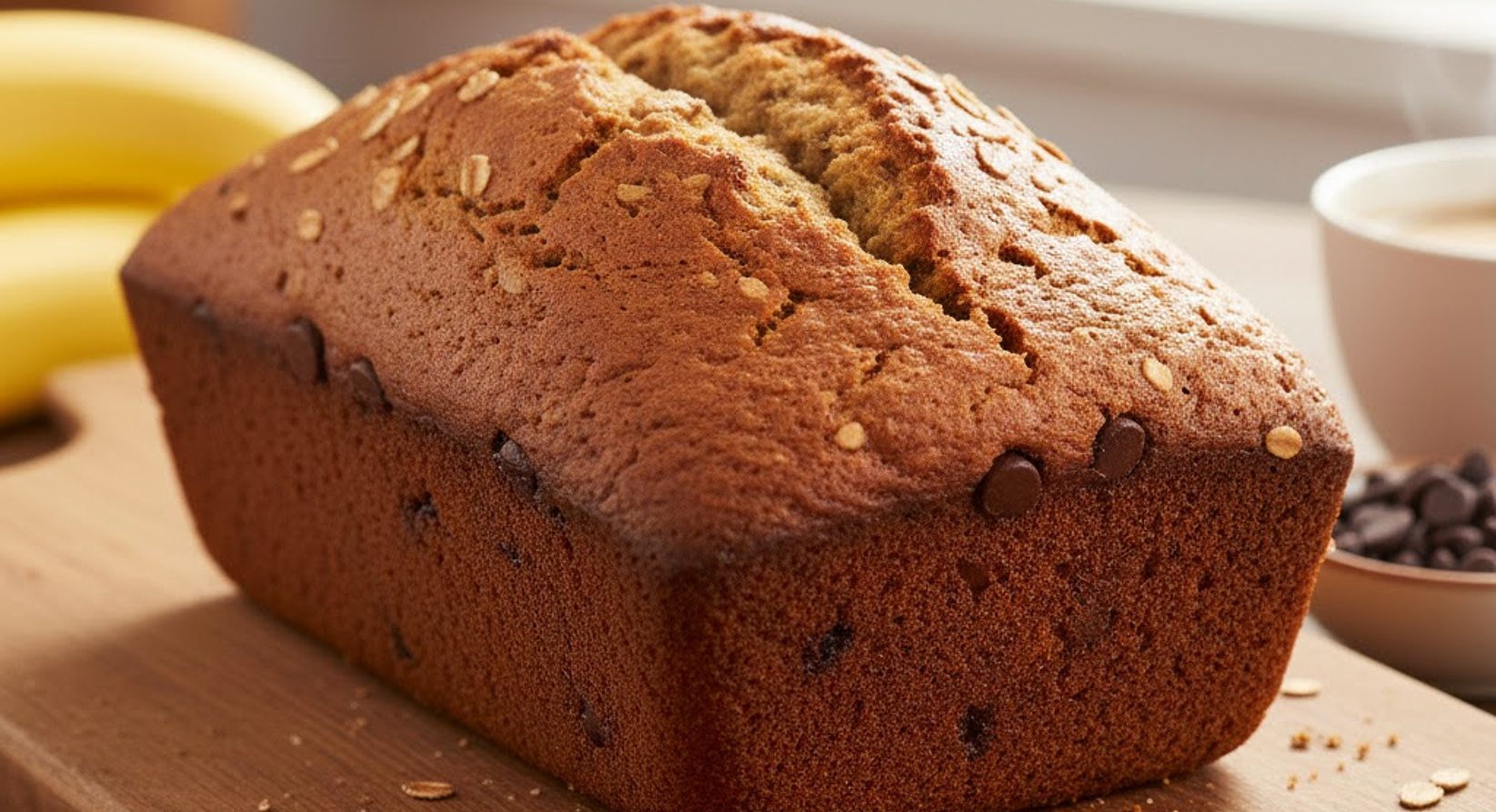
2. Healthy Banana Bread Recipe Swaps (Without Losing Flavor)
One of the best things about banana bread is how adaptable it is. You can make meaningful health upgrades without sacrificing taste.
Reduce Added Sugar
Overripe bananas provide natural sweetness. You can often reduce added sugar by 25–40% without affecting flavor.
Use Oats for Banana Oat Bread
Blended oats can replace part of the flour to create banana oat bread. This adds:
- More fiber
- Greater satiety
- A slightly heartier texture
Replace Butter for Lighter Versions
Instead of butter, use:
- Vegetable oil
- Greek yogurt
- Applesauce
This supports a banana bread recipe no butter approach while keeping the loaf tender.
Banana Bread Without Flour
You can make banana bread without flour by using:
- Blended oats
- Almond flour
- Other gluten-free options
This works well for dietary needs while still producing a satisfying loaf.
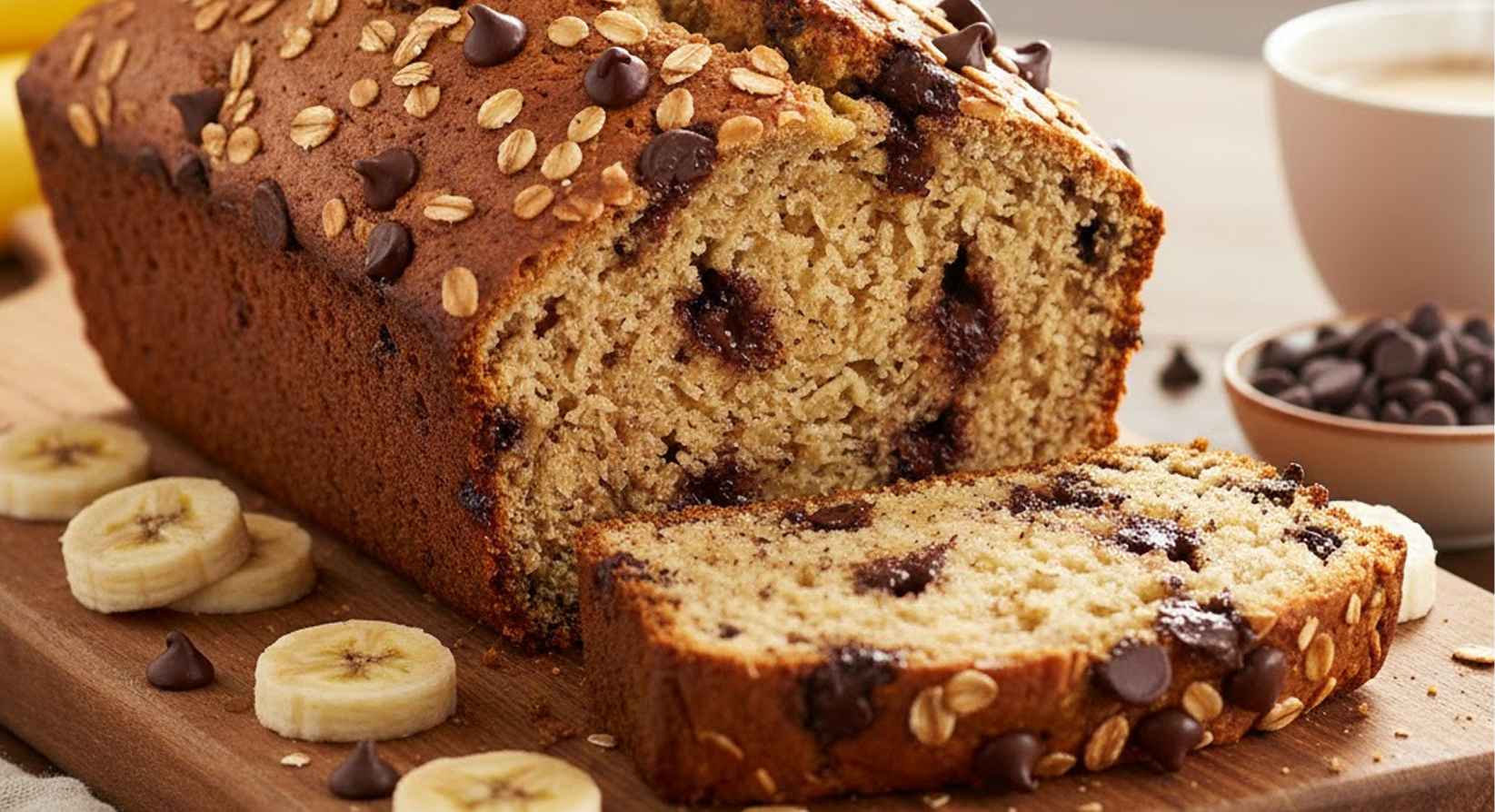
Chocolate Chip Banana Bread (Health-Conscious)
Use dark chocolate chips and reduce sugar slightly for a balanced treat.
3. From Bin to Win: Why Banana Bread Is a Zero-Waste Favorite
Banana bread is one of the easiest ways to practice low-effort food recovery at home.
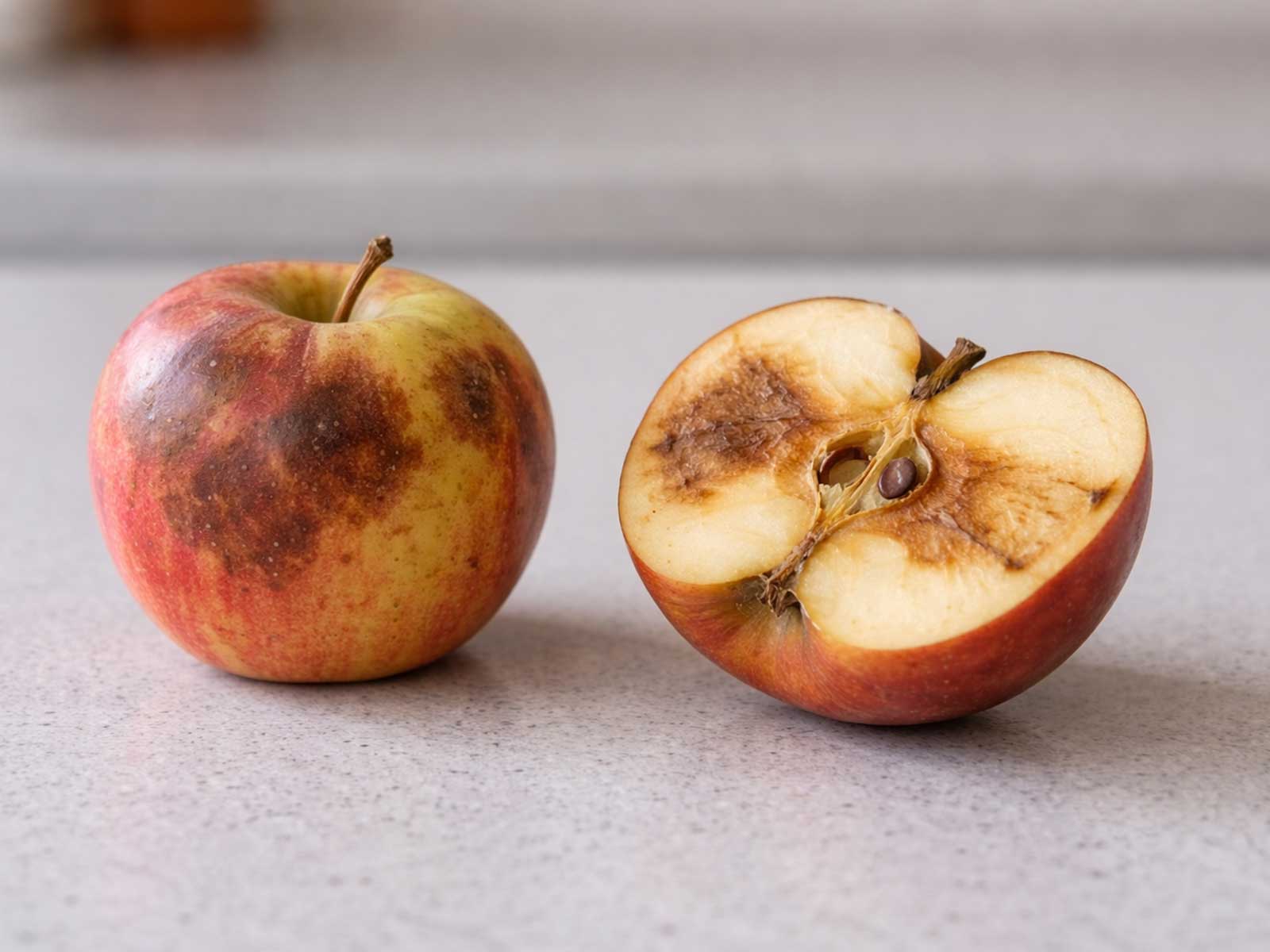
Spotted bananas are one of the most commonly discarded fruits not because they’re bad but because they’re perceived as too ripe. Baking flips that logic.
What looks like waste becomes:
- Natural sweetener
- Moisture source
- Flavor base
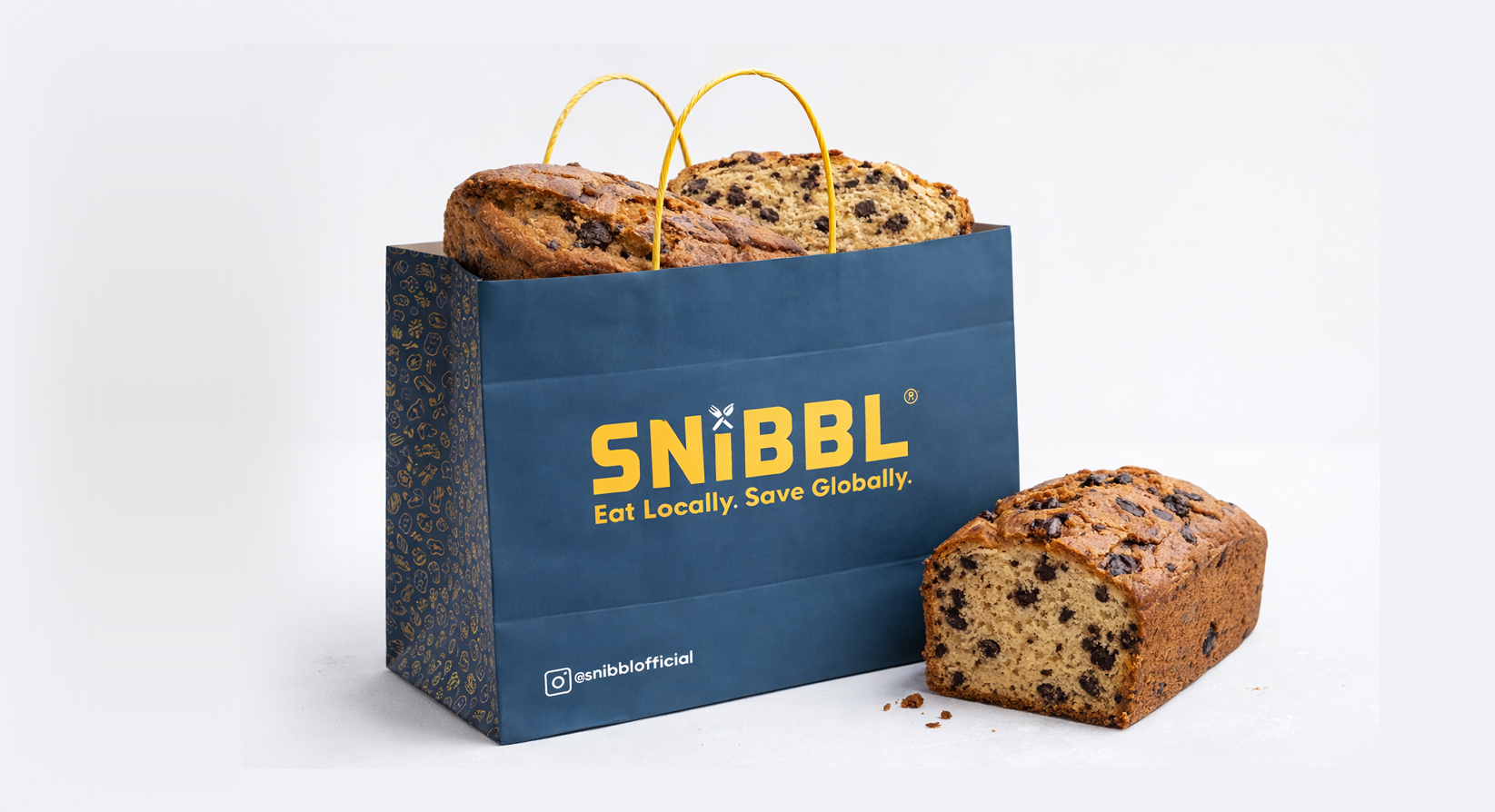
From Bin to Win baking is about recognizing that “almost too ripe” is often exactly right. Platforms like Snibbl are built around this same idea: helping people and businesses make better use of food before it goes unused, instead of treating perfectly usable food as waste. Instead of changing how food is cooked or prepared, they focus on surfacing surplus food at the right time, before it becomes waste. By connecting existing supply with real-time demand, surplus platforms support sustainability without asking consumers or businesses to compromise on quality.