
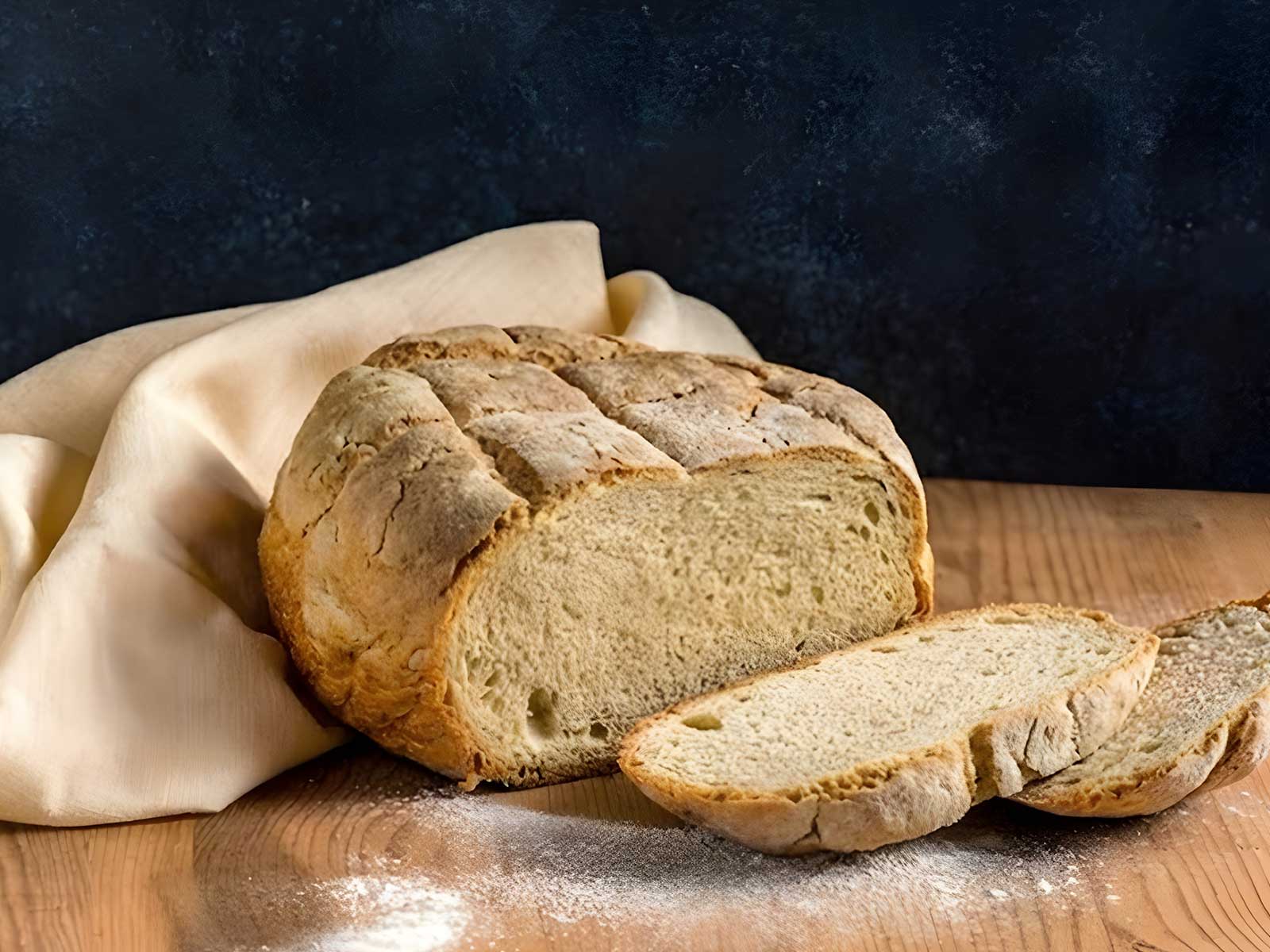

Garlic Bread Recipe: How to Turn Stale Bread Into Fresh Garlic Bread
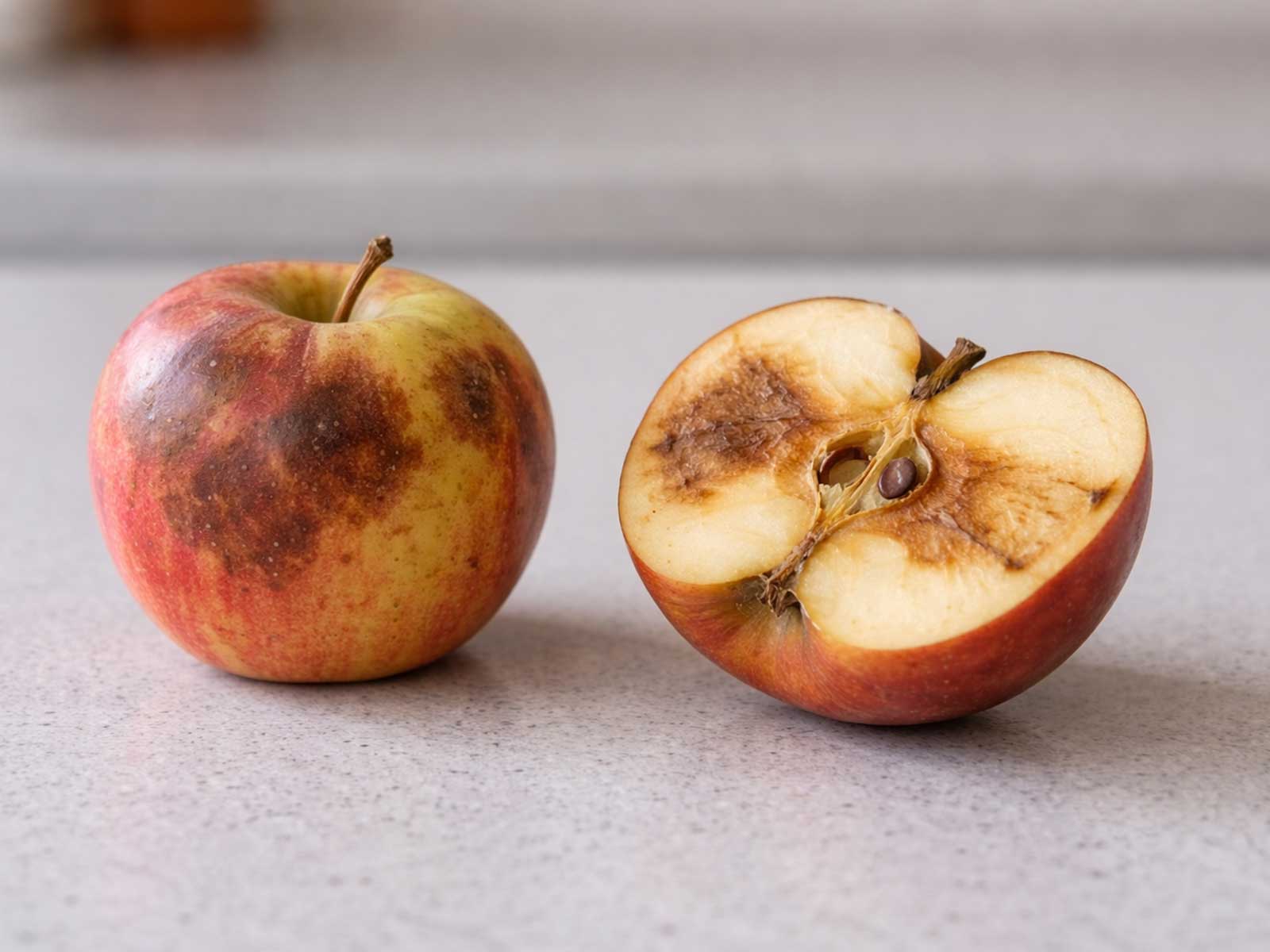
If you’ve ever found a loaf of bread going dry on your counter, you’re already holding the perfect base for great garlic bread. Slightly dry bread absorbs garlic bread spread more evenly and crisps more reliably during cooking, creating a texture that fresh bread often can’t match. This recipe is for stale bread that has simply dried out, not bread with mold which is unsafe to eat and should always be discarded. Using stale bread for garlic bread is a simple example of how small changes in the way we use food can reduce waste at home while also making meals better.
Instead of becoming soggy, stale bread develops crisp edges while staying soft in the center which is exactly what most people want from garlic bread. Along the way, the guide also covers practical variations like garlic cheese bread, sourdough garlic bread and gluten free garlic bread so you can adapt the method to whatever type of bread you have on hand.
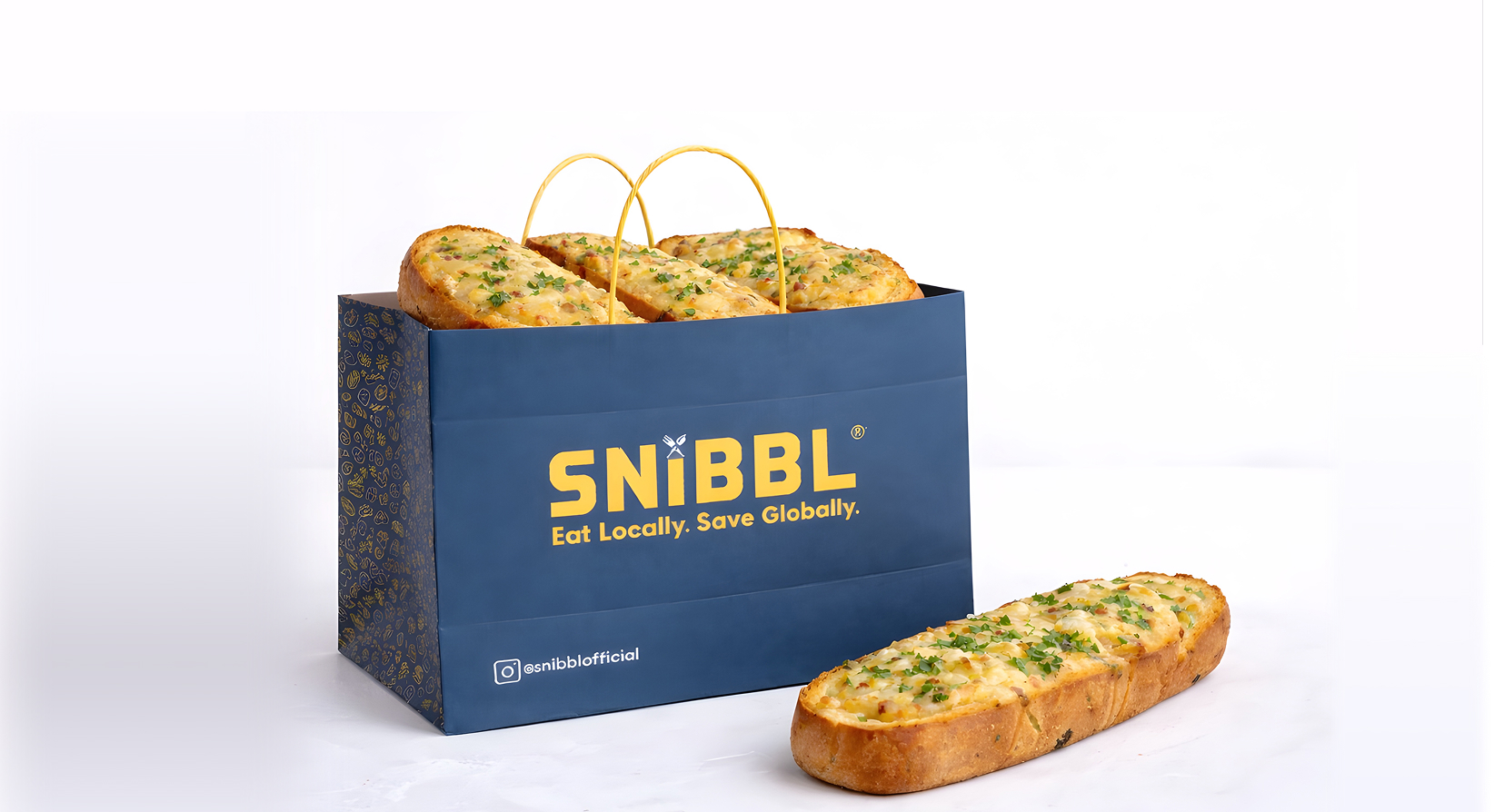
It’s the same principle From Bin to Win and Snibbl are built around: helping food get a second life before it goes unused. By the end of this recipe, you’ll have a clear, repeatable method for turning dry or day-old bread into homemade garlic bread that feels fresh from the oven along with a few smart ways to customise it based on what you already have in your kitchen.
This is From Bin to Win baking: using what you already have, reducing waste and creating something better in the process.
1. How to Make Garlic Bread From Regular Bread (Base Method)
If you’ve ever wondered how do you make garlic bread from regular bread, the method works especially well with bread that’s slightly dry.
Prep time: 5 minutes
Cook time: 8–12 minutes
Servings: 4–6 slices
Oven: 180°C / 350°F
Optional: Garlic bread in air fryer at 180°C
Core Ingredients:
- Regular or stale bread (baguette, loaf or thick slices)
- Soft butter (for garlic bread spread)
- Fresh garlic, finely minced
- Olive oil (small amount for richness)
- Dried or fresh herbs (for garlic bread seasoning)
- Salt
- Optional: grated cheese for garlic cheese bread
Method
Make a proper garlic bread spread
In a bowl, mix softened butter with minced garlic, a small drizzle of olive oil, herbs and salt. Mixing oil with butter helps the spread soak into stale bread while still crisping.
Let the spread rest (important)
Let the garlic bread spread sit for 3–5 minutes. This allows garlic flavor to infuse the fat, creating deeper taste instead of raw garlic harshness.
Prepare the bread correctly
Slice bread thick enough to hold moisture. For very stale bread, lightly brush the cut side with a few drops of water before spreading. This helps rehydrate the inside while the outside crisps.
Apply garlic bread spread generously
Spread edge-to-edge so every bite has flavor. Dry bread can handle more spread than fresh bread.
Two-stage cooking for best texture
- First stage: Bake covered loosely for 5–7 minutes to heat and soften the inside
- Second stage: Uncover and bake another 4–7 minutes to crisp and brown
This method revives the inside while creating a crisp, golden surface which is the key difference between good garlic bread and dry toast.
Stale bread works especially well here because it soaks up garlic bread spread while still crisping on the outside and creates garlic bread that’s crunchy on the edges and soft in the center.
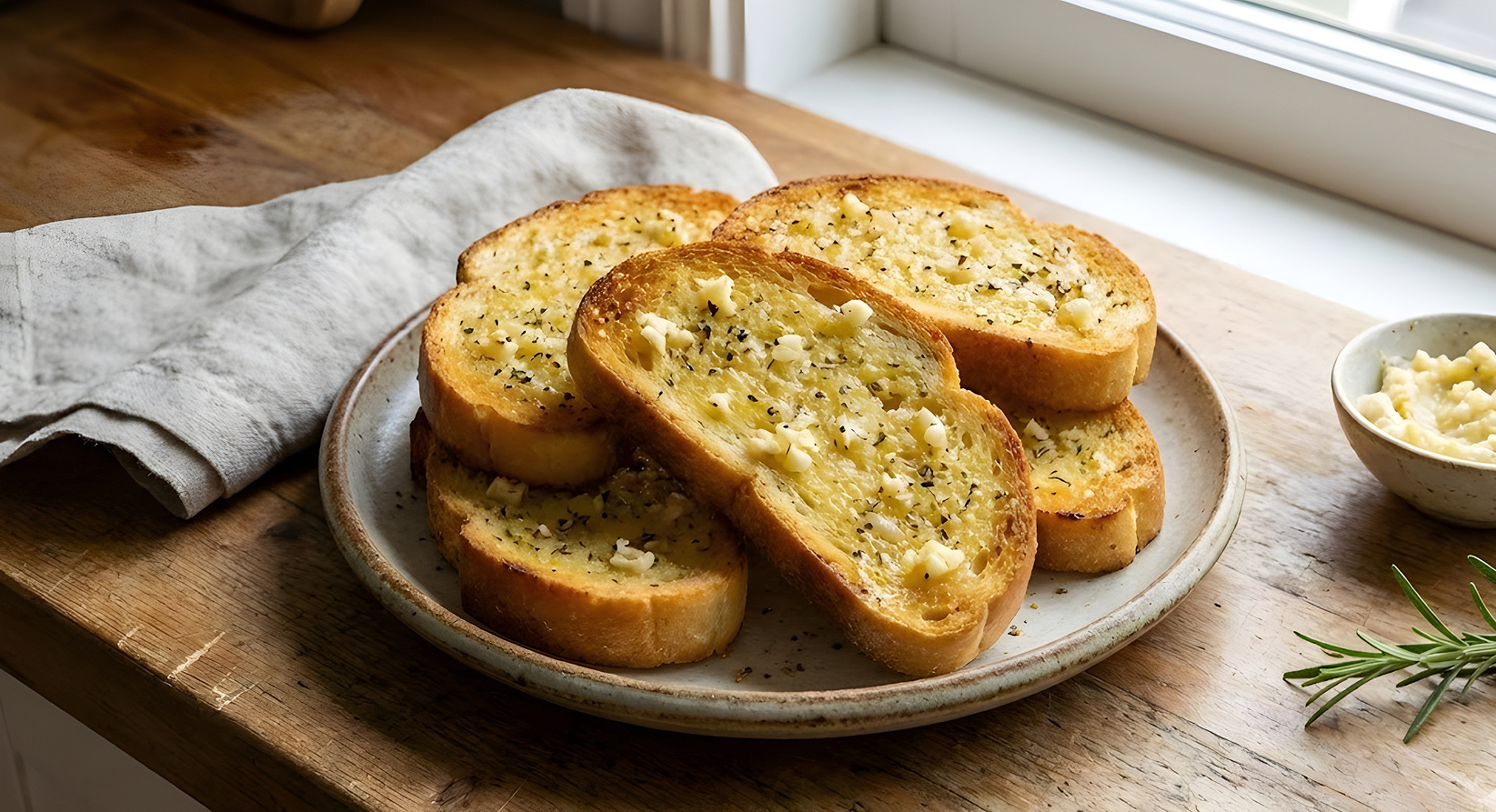
2. Healthier & Flexible Garlic Bread Variations
One of the best things about garlic bread is how flexible it is. Whether you’re cooking for one, planning ahead, or adapting for dietary needs, stale bread can easily be turned into garlic bread that fits your routine.
Garlic Bread in Air Fryer (Fast & Lighter):
Garlic bread in air fryer is one of the quickest and most convenient ways to revive stale bread. It works especially well for small batches and creates even crisping without needing extra oil. This makes it a practical option when you want garlic bread that feels lighter while still getting that golden, crunchy finish.
Frozen Garlic Bread (Plan Ahead & Reduce Waste):
Preparing garlic bread in advance and storing it as frozen garlic bread is a simple way to prevent leftover bread from being wasted. You can spread garlic bread spread on bread, freeze it and cook it straight from frozen when needed. Frozen garlic bread takes slightly longer to cook but it’s a smart option for meal prep and busy days.
How long to cook garlic bread depends on:
- Thickness of bread
- Fresh vs stale bread
- Whether it’s frozen garlic bread
- Cooking method
Stale bread may need a little extra time to heat through but it also crisps especially well, making it ideal for both oven and air fryer methods.
Garlic Cheese Bread (Richer & Comfort-Style):
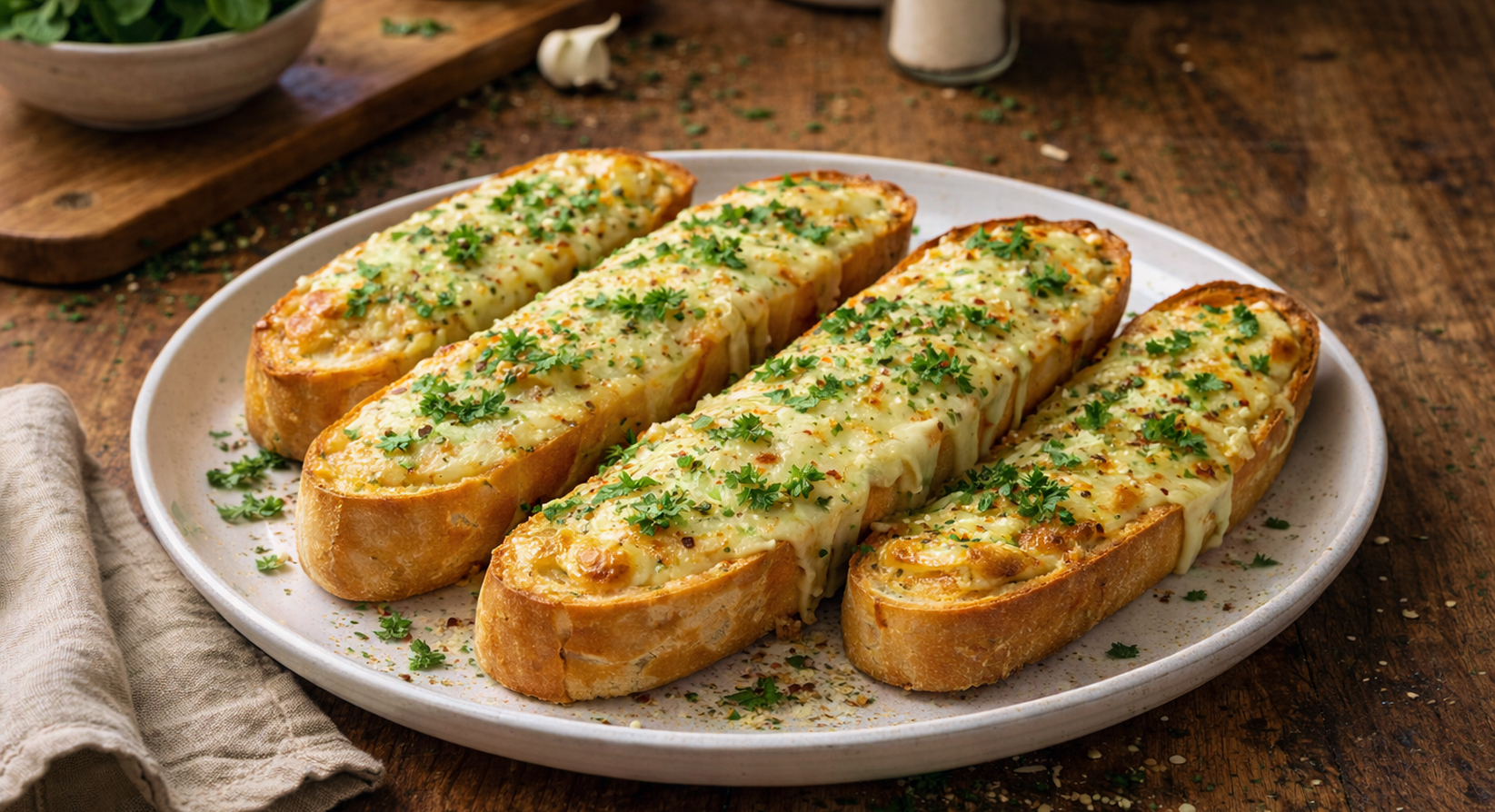
Garlic cheese bread is a popular way to make stale bread feel freshly baked again. Adding cheese creates a rich, melty topping while helping dry bread feel softer inside and crisp on top. For best results, add cheese during the final minutes of cooking so it melts evenly without burning. This creates a golden top layer while keeping the bread crisp underneath.
Sourdough Garlic Bread (Extra Texture & Structure):
Sourdough garlic bread is especially good for using day-old sourdough. Its firm structure holds garlic bread spread well and creates a crisp outside with a chewy center. Sourdough’s thicker crumb also helps prevent sogginess, making it one of the best breads for From Bin to Win garlic bread transformations.
Gluten Free Garlic Bread (Moisture & Timing Adjustments):
Gluten free garlic bread can also be made from slightly dry gluten free loaves. These often benefit from extra garlic bread spread to improve moisture and overall flavor. Because gluten free bread can dry out faster, careful timing is important. A short covered stage followed by uncovering for crisping can help keep the inside soft while still achieving golden edges.
3. From Bin to Win: Why Garlic Bread Is Perfect for Stale Bread
Garlic bread is one of the most effective From Bin to Win transformations in home cooking. Dry bread is one of the most commonly discarded foods not because it’s unsafe but because it’s no longer soft and appealing on its own. Garlic bread flips that logic.
What looks like waste becomes:
- A crisp base that holds flavor
- A vehicle for garlic bread spread
- A freshly baked side dish that feels intentional
From Bin to Win cooking is about recognizing that food doesn’t become useless the moment it changes texture. Dry bread isn’t the end of the line, it’s the perfect starting point for something better than the original. By turning stale bread into homemade garlic bread, you’re not just avoiding waste, you’re creating something that often tastes better than store-bought versions. Platforms like Snibbl are built around this same idea: helping people and businesses make better use of food before it goes unused instead of treating usable food as waste.