

French Toast Recipe: How to Make French Toast Using Day-Old Bread
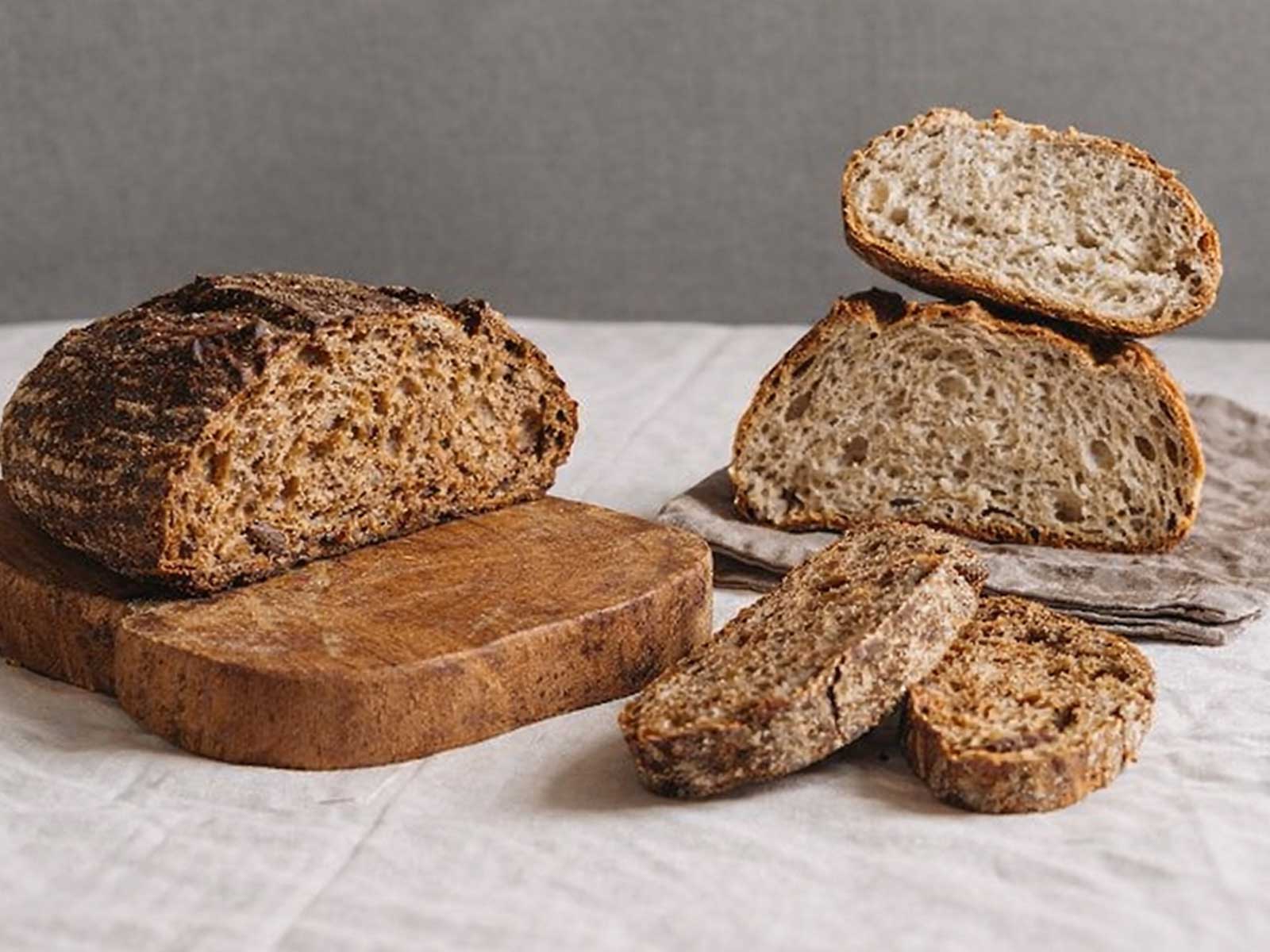
If you’ve ever looked at a loaf of bread that’s a day old and thought it’s past its best, you’re not alone. Soft fresh bread is usually preferred for sandwiches, so slightly dry slices often get ignored or pushed aside. But when it comes to french toast, that same bread is exactly what you want.
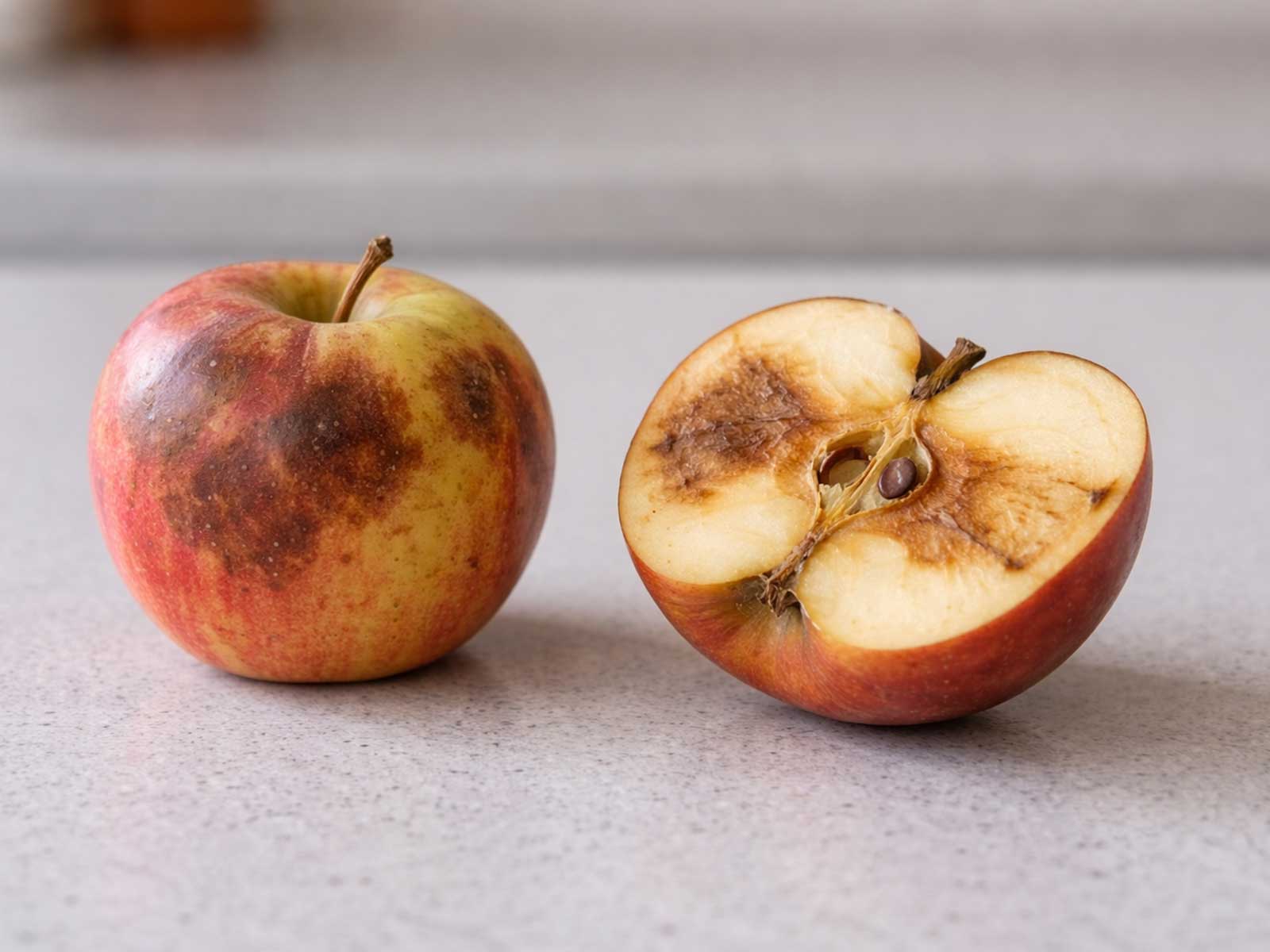
Day-old bread works better for french toast because it absorbs the custard mixture evenly without breaking apart. Fresh bread can turn soggy quickly, while slightly dry bread holds its shape and soaks just enough to cook into a soft center with golden edges. That texture difference is what gives good french toast its balance between crisp and tender. Many people worry their bread is “too old” for french toast. A good rule is this: if the bread smells normal and has no mold, it’s usually fine for cooking.
This is why a good french toast recipe isn’t just about using bread before it goes unused. It’s about using bread at the right stage. Bread that feels less appealing on its own can become the perfect base for a sweet french toast recipe that tastes intentional and comforting.
Over time, cooking this way changes how leftovers are viewed. Bread that might have been thrown away becomes the starting point for a fresh meal. A basic french toast made from day-old bread shows how small kitchen choices can make food go further while still tasting good. This is the same thinking behind From Bin to Win and Snibbl: food doesn’t need to be brand new to be valuable. With a simple, repeatable method for how to make french toast, whether as french toast with eggs or french toast without eggs, day-old bread turns into something you’d happily make again.
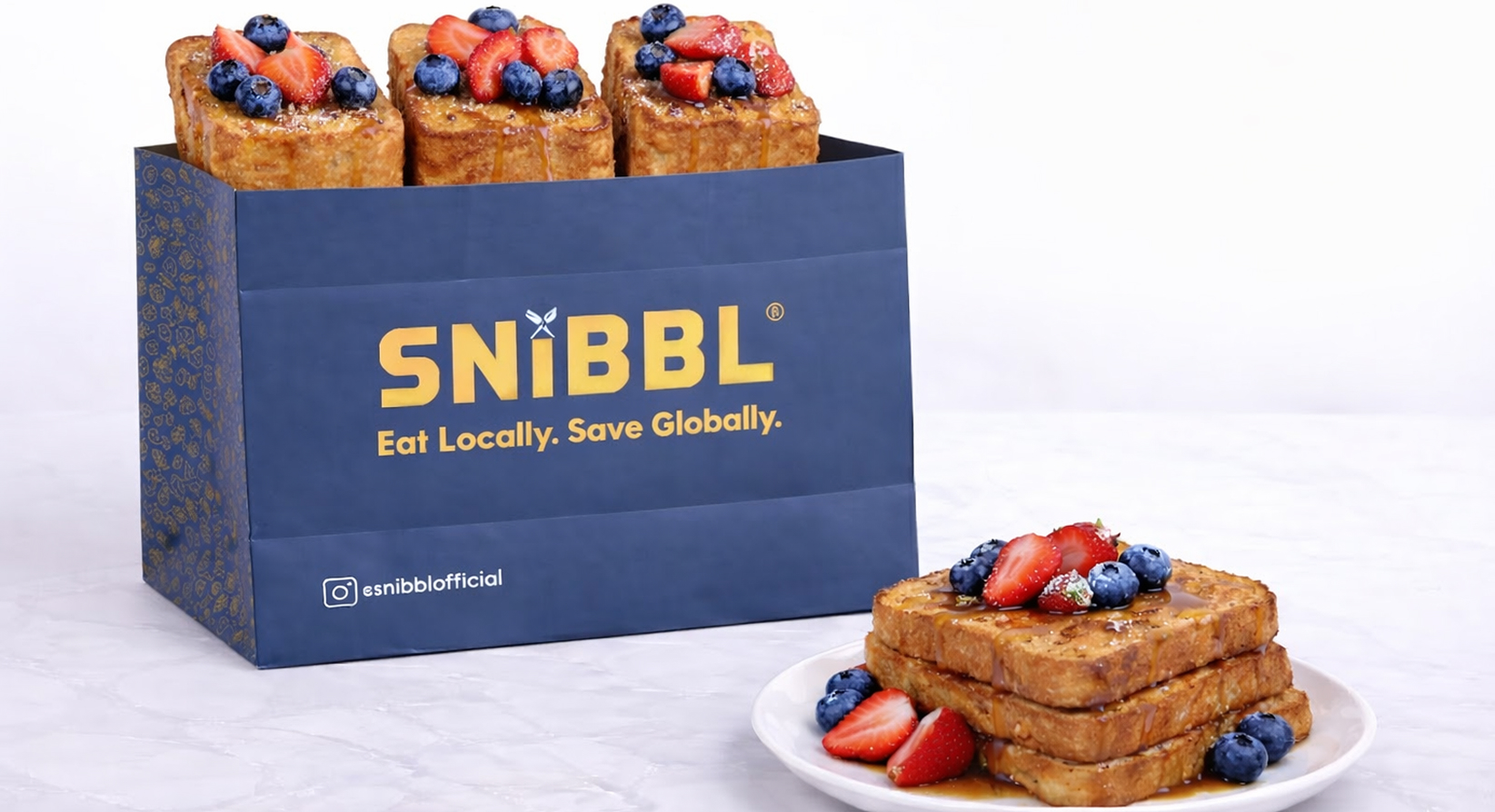
This is a simple From Bin to Win upgrade: turning day-old bread into warm, sweet french toast that feels freshly made.
1. How to Make French Toast (Basic French Toast Method)
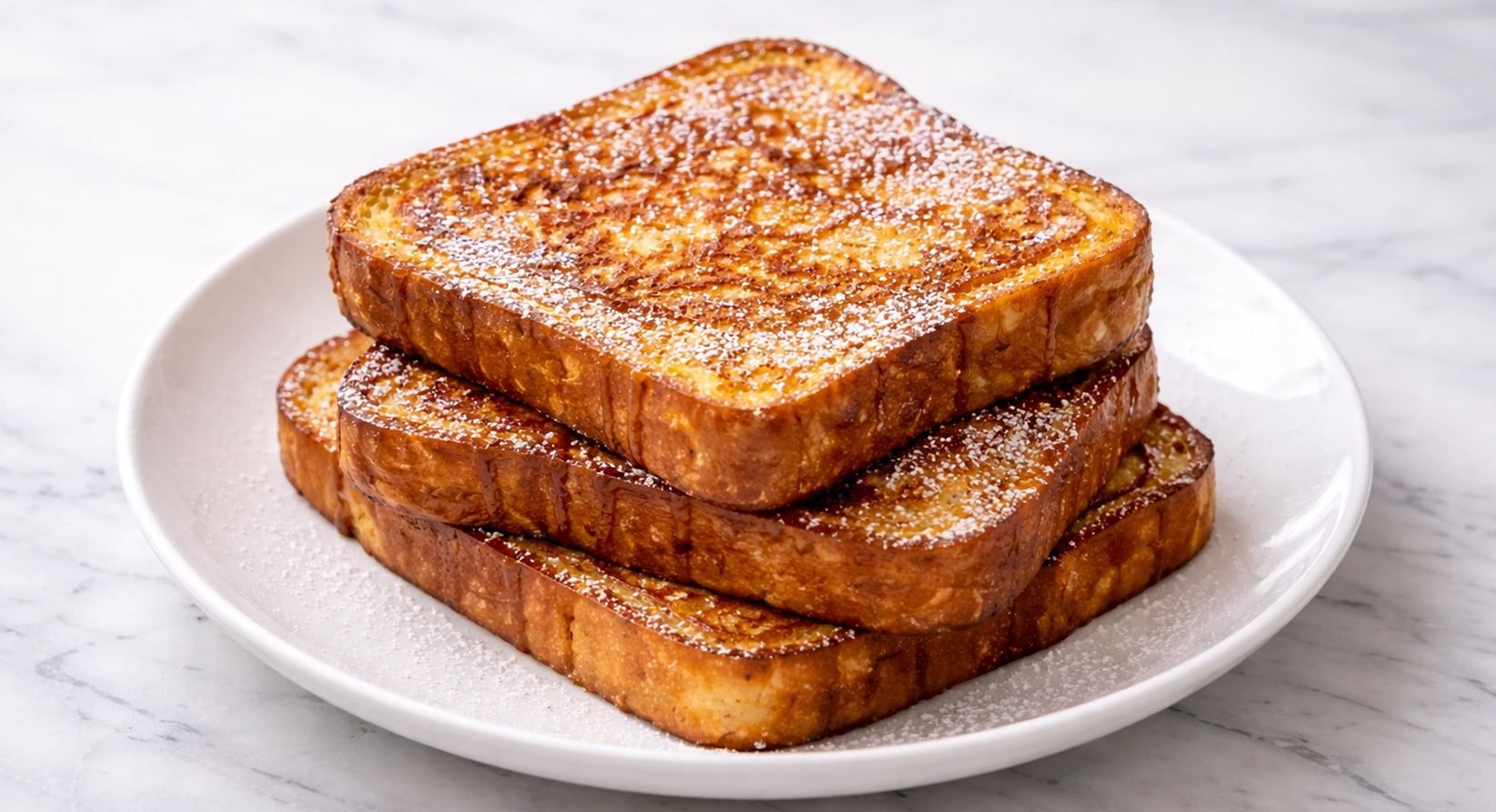
If you’re searching for how to make french toast properly, the key is the custard and soaking time. A good basic french toast should be soft inside, lightly crisp outside and evenly coated.
Prep time: 5 minutes
Cook time: 6–8 minutes
Servings: 2–3
Ingredients:
4 slices day-old bread
2 eggs (for french toast with eggs)
½ cup milk
1–2 tablespoons sugar
A pinch of salt
Butter or oil for cooking
Method:
- Make the custard properly Whisk eggs, milk, sugar and salt until fully combined and slightly frothy. The salt might seem small, but it quietly balances the sweetness and makes the overall flavor more rounded instead of sugary. Whisk for at least 30–40 seconds. A smooth custard gives consistent color and flavor. Once mixed, let the custard rest for 1–2 minutes before dipping the bread. This short pause allows the sugar and salt to dissolve fully and improves the flavor throughout the french toast.
- Soak the bread the right way Dip each slice for about 5–10 seconds per side. The goal is absorption, not saturation. Day-old bread absorbs more without collapsing, which is why it works so well for french toast. The bread should feel heavier but still hold its shape when lifted. Don’t leave the bread in too long as it makes the center gummy and hard to cook through.
- Control the heat Heat butter or oil on medium, not high. High heat browns the outside too fast while the inside stays raw. Place soaked bread onto the pan only once the butter is melted and lightly bubbling. Cook each slice 2–4 minutes per side until golden brown. If the bread browns too quickly, lower heat slightly and give it more time. French toast is better cooked slowly than rushed.
- Don’t overcrowd the pan Leave space between slices. Overcrowding traps steam and prevents crisp edges. If cooking multiple batches, wipe the pan lightly and add fresh butter between rounds to prevent burning.
- Serve at the right moment French toast tastes best fresh off the pan. The edges stay crisp and the inside remains soft. If serving later, keep slices on a rack rather than stacking them so they don’t steam and go soggy.
This easy french toast recipe works as a reliable base every time.
2. French Toast Recipe Variations
Once you’re comfortable with the base, you can adjust flavor and texture without changing the core method. The key is knowing how small tweaks affect soaking, cooking and sweetness so your french toast doesn’t turn soggy, dry or overly sweet.
Sweet French Toast (How to Balance Sweetness Properly)
For a sweet french toast recipe, simply adding more sugar isn’t always the best move. Too much sugar in the custard can make the outside brown too quickly before the inside cooks. A better approach:
- Add a little more sugar to the custard, but not double
- Cook on slightly lower heat so sugar doesn’t burn
- Let the bread soak 2–3 seconds longer so sweetness spreads evenly
If your french toast browns too fast but stays pale inside, the heat is too high. Lowering the heat fixes this more reliably than adding milk.
This gives you a sweet french toast recipe that tastes dessert-like but still cooks evenly.
French Toast Without Eggs
Many people assume french toast without eggs will taste flat or fall apart. The trick is creating structure so the bread still forms a golden crust.
Instead of eggs:
- Use milk as the base
- Add a small amount of flour or cornstarch to thicken the mixture
- Whisk well so there are no lumps
- Don’t oversoak. French toast without eggs needs shorter soaking so the bread doesn’t become too soft.
- Cook on medium heat and flip only once the bottom is golden. Flipping too early is a common mistake that causes tearing.
This works because the thickened milk creates a light coating that firms up during cooking, giving a similar surface texture to french toast with eggs.
Easy French Toast Recipe Add-Ons
Toppings can improve flavor but adding them at the wrong time can make french toast soggy. Better approach:
- Cook basic french toast fully first
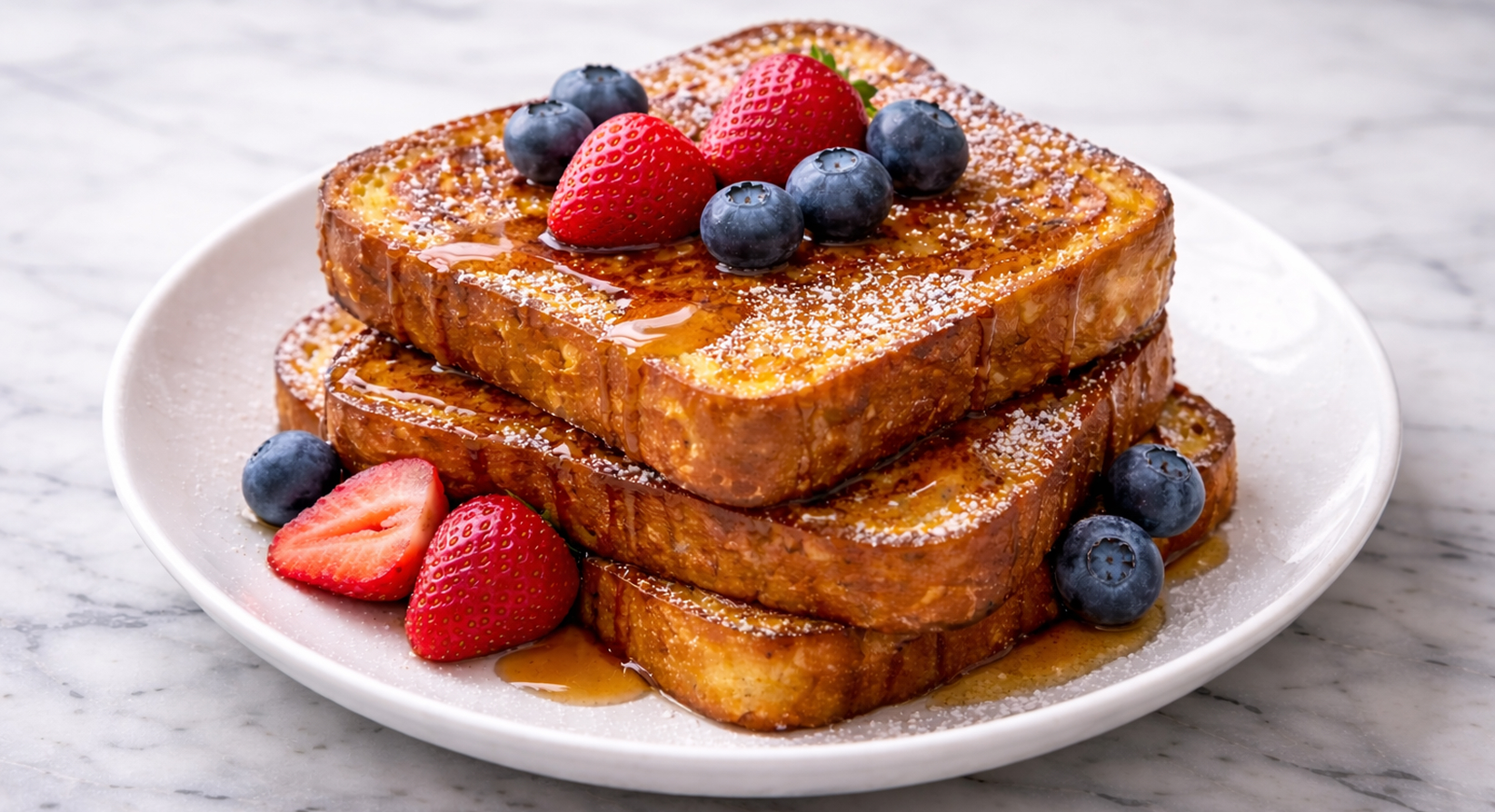
- Add fruit or syrup after cooking, not during
- Use a light dusting of sugar instead of heavy pouring
- Pour syrup just before eating. Letting syrup sit too long softens the crust.
- Place fruit on top instead of mixing into the custard. Fruit releases moisture and can affect browning if added too early.
These small timing choices help your easy french toast recipe stay crisp outside and soft inside.
3. From Bin to Win: Why Day-Old Bread Makes Better French Toast
French toast is one of the simplest examples of From Bin to Win cooking because it turns a small “problem” into an advantage. While fresh bread might seem ideal, it’s often too delicate. The moment it hits the custard, it can become overly wet and tear apart in the pan. Day-old bread behaves differently. As bread sits, it slowly loses moisture and its structure firms up. That slight dryness is exactly what allows it to absorb the custard evenly without collapsing. Instead of the liquid sitting on the surface, it soaks in gradually, giving you a slice that cooks through properly rather than staying raw in the center. What looks like bread past its best becomes the perfect base for a warm breakfast.
Day-old bread becomes:
- Bread that soaks without tearing
- Slices that cook evenly from edge to center
- A middle that stays soft while the outside turns golden
- French toast that holds its shape when flipped
- A dish that feels freshly made, not rescued
From Bin to Win cooking is about recognizing that food doesn’t lose its value just because it’s not at its freshest. Slightly older bread isn’t the end of the line — it’s often the ideal starting point for french toast. In fact, many cafés intentionally use bread that’s a day old for this reason. This is also the same thinking Snibbl is built around: helping good food get used while it’s still perfectly enjoyable rather than letting it go unused. The idea isn’t to “save” bad food, it’s to use good food at the right moment.
Turning day-old bread into french toast isn’t just practical. When done right, it often creates a better texture and flavor than using fresh bread. Once you try it this way, fresh bread may actually feel like the less reliable option.