

Fried Rice Recipe: How to Make Fried Rice Using Day-Old Rice
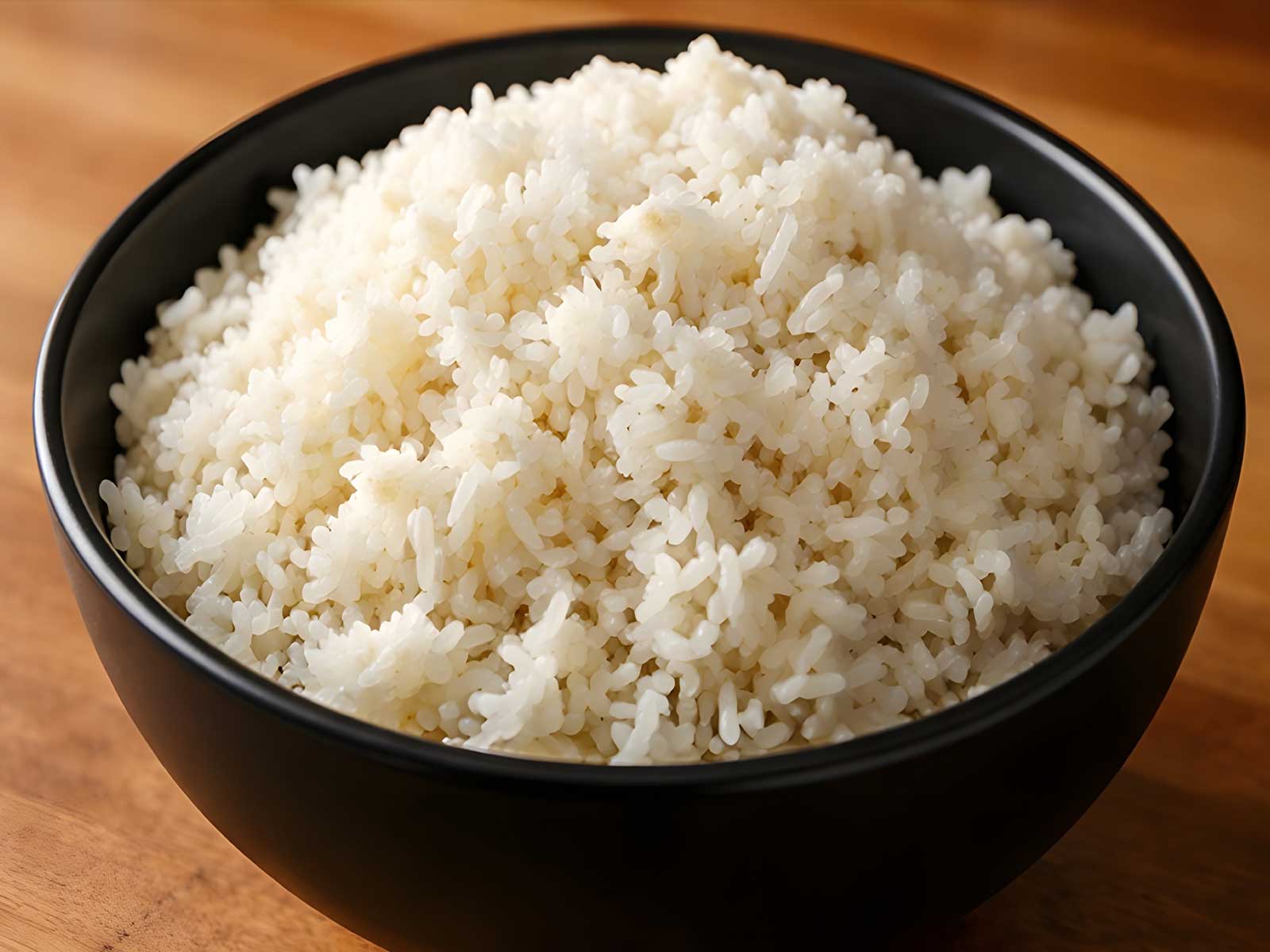
If you’ve ever stored leftover rice in your fridge, you’re already halfway to great fried rice. Day-old rice is one of the most important secrets behind restaurant-style fried rice because it’s drier, firmer and better at absorbing flavor without turning mushy.
This fried rice recipe is designed specifically for using leftover rice. Instead of wasting cooked rice, you can turn it into chicken fried rice, egg fried rice, veg fried rice or even Schezwan fried rice with better texture and deeper flavor than using freshly cooked rice.
What makes this especially useful is that fried rice isn’t just a way to “use up” rice, it’s often better because of it. Cold rice holds its shape, fries instead of steaming and develops that slightly crisp texture that’s hard to achieve with freshly cooked grains. That means leftovers aren’t a compromise; they’re actually an advantage. Over time, this kind of cooking changes how you see leftovers. Instead of being something to finish reluctantly, they become building blocks for new meals. Fried rice is one of the clearest examples of how small, practical shifts in the kitchen can reduce waste while making everyday food better.
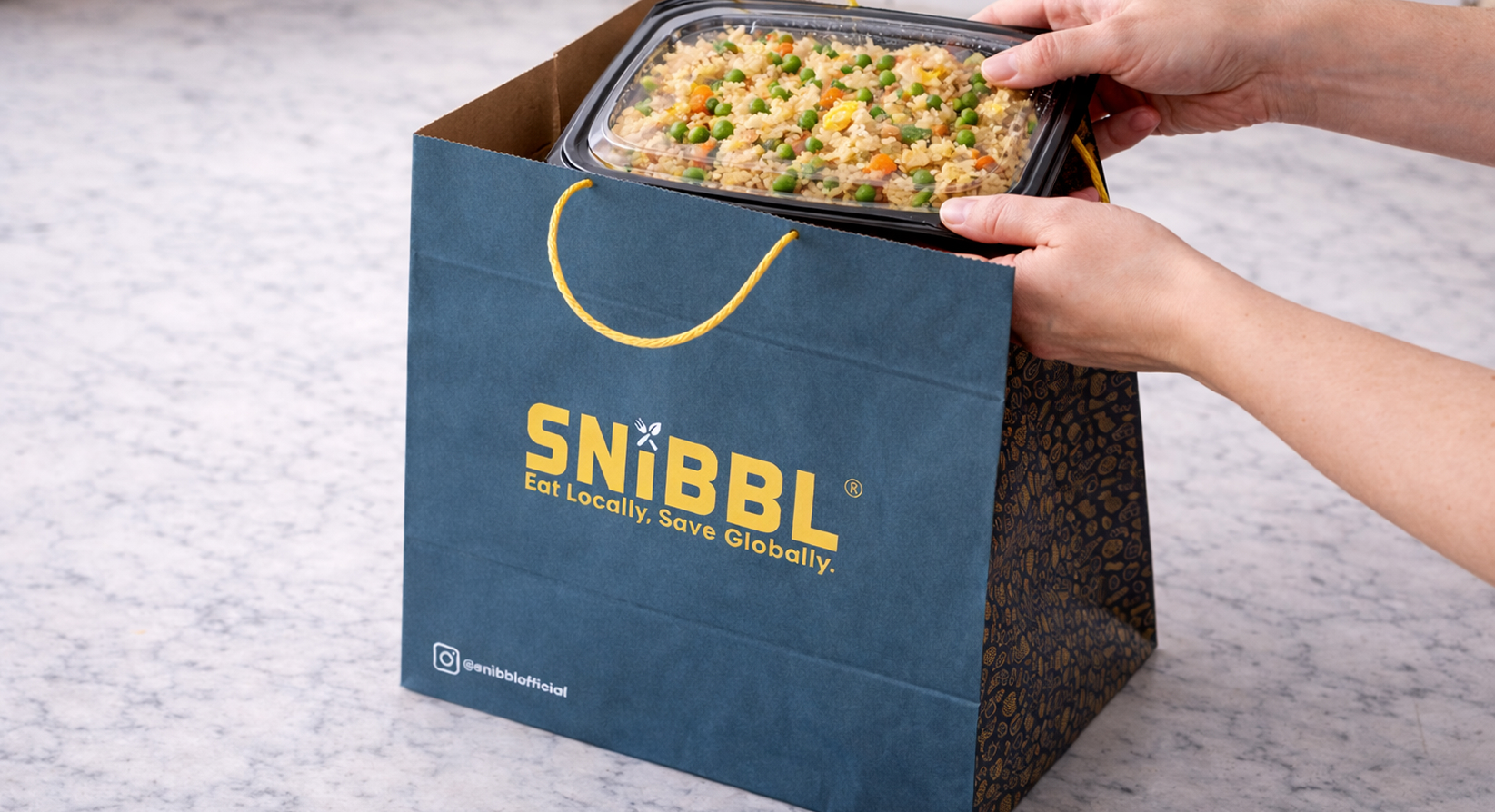
It is the same idea behind From Bin to Win and Snibbl: helping food get a second life before it goes unused. With this recipe, you’ll have a clear, repeatable method for turning leftover rice into fried rice that tastes freshly made and a few ways to adapt it with whatever ingredients you have on hand.
This is a classic From Bin to Win upgrade: transforming simple leftovers into a fresh, satisfying meal.
1. How to Make Fried Rice (Base Method Using Leftover Rice)
If you’re searching for how to make fried rice properly, the key is technique, not just ingredients. Using day-old rice helps each grain stay separate and crisp instead of clumping together.
Prep time: 10 minutes
Cook time: 8–12 minutes
Servings: 2–3
Heat level: High
Ingredients:
- 2–3 cups cooked day-old rice (cold from the fridge)
- 2 tablespoons oil
- 2–3 garlic cloves, finely chopped
- ½ cup spring onions or onions, finely chopped
- 1–2 tablespoons soy sauce
- Salt and pepper
- Optional: sauces for flavor (for Schezwan fried rice style)
Method:
- Loosen the rice first Break the cold rice with your hands or a fork so there are no large clumps. Each grain should be separate so it can fry instead of steaming. This helps the rice cook evenly and prevents mushy texture.
- Use high heat and a wide pan Heat a wide pan or wok over high heat and add oil. Let the oil get hot before adding anything else. High heat allows moisture to evaporate quickly, creating that classic fried rice texture instead of soggy rice.
- Cook aromatics first Sauté garlic and onions in the hot oil for 20–30 seconds until fragrant but not browned. This builds the base flavor for the fried rice without burning the garlic.
- Add rice and spread it out Add rice to the pan and spread it into an even layer. Let it sit untouched for 30–45 seconds before stirring. This helps create light crisping on the rice instead of trapping steam.
- Season and toss quickly Drizzle soy sauce around the edges of the pan so it sizzles before mixing. Add salt and pepper, then toss quickly to coat evenly. This adds better flavor and prevents the rice from becoming wet.
- Final texture check Keep tossing for another 1–2 minutes until the rice is hot through, lightly crisp in spots and evenly colored. Turn off heat once the rice looks dry and fluffy, not wet.
This base fried rice recipe works for all major variations.
2. Fried Rice Variations: Chicken, Egg, Veg & Schezwan
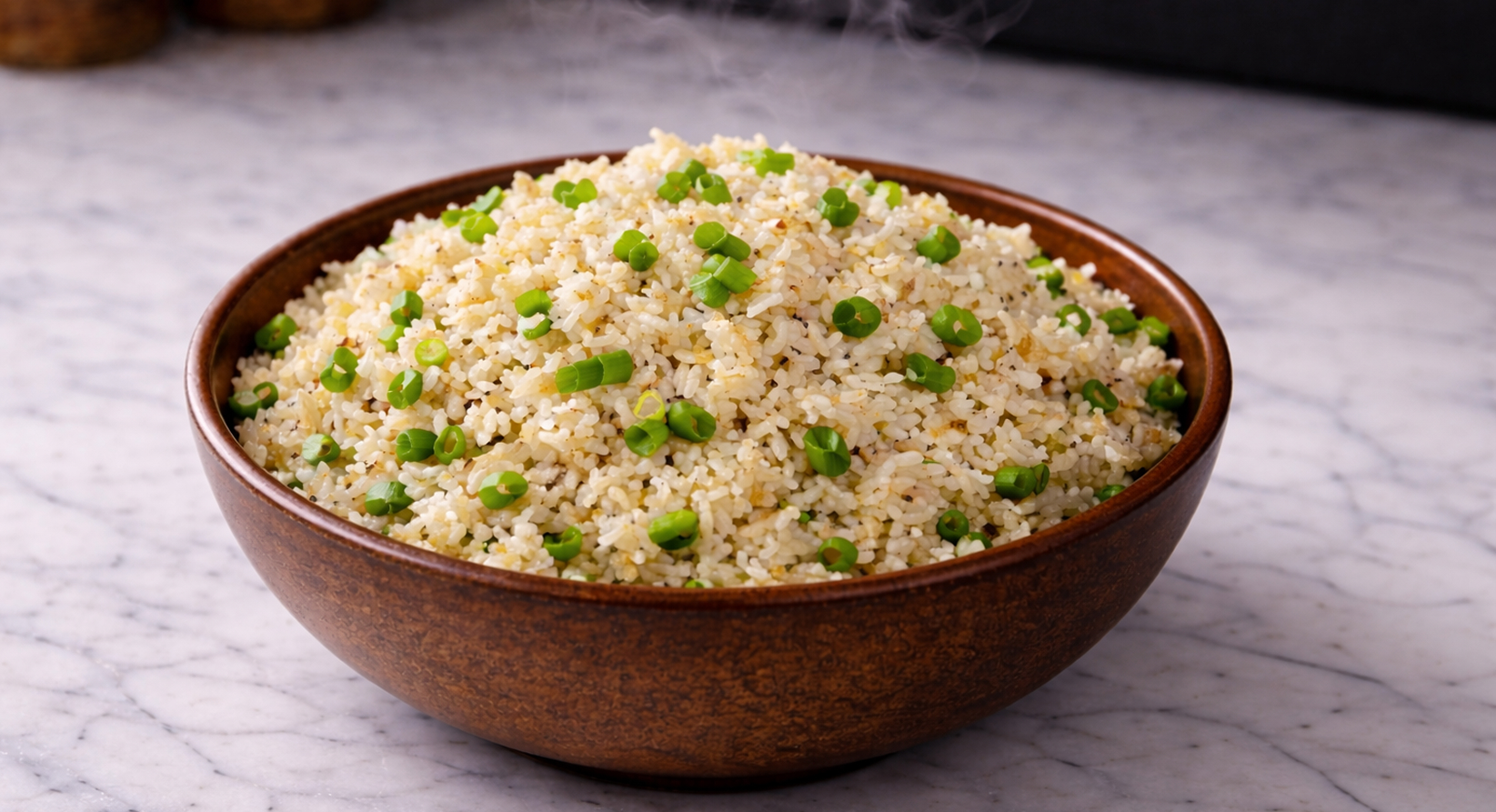
Once your base is right, you can easily customise fried rice using what you already have. These variations are designed to be clear and flexible.
Chicken Fried Rice
Use pre-cooked, dry chicken for best texture.
- Use about ½ to 1 cup cooked, diced chicken
- Add chicken to hot oil before the rice
- Stir-fry for 30–60 seconds to reheat and lightly brown
- Then add rice and continue with the base method
This prevents chicken fried rice from becoming watery and helps the chicken absorb seasoning.
Egg Fried Rice
Egg fried rice works best when eggs are cooked separately, then folded in.
- Use 1–2 eggs per serving
- Push rice to one side of the pan
- Add a little oil and scramble eggs on the empty side
- Let eggs set slightly then mix through rice
This keeps egg fried rice fluffy instead of coating every grain in egg.
Veg Fried Rice / Vegetable Fried Rice
Vegetables should stay crisp, not soft.
- Use about ½ to 1 cup chopped vegetables
- Add vegetables before the rice
- Stir-fry on high heat for 1–2 minutes
- Then add rice and continue cooking
Veg fried rice and vegetable fried rice taste best when vegetables still have a slight bite.
Schezwan Fried Rice
Schezwan fried rice should be spicy, smoky and coated, not wet.
- Add 1–2 teaspoons Schezwan sauce per serving
- Add sauce after rice is hot and mostly cooked
- Toss quickly on high heat for 30–60 seconds
Adding sauce at the end prevents Schezwan fried rice from becoming soggy and keeps the flavor bold.
Mixing Variations
You can also combine add-ins, such as:
- Chicken + egg
- Veg + egg
- Chicken + Schezwan
Just make sure to:
- Cook proteins first
- Cook vegetables next
- Add rice
- Add sauces last
This order keeps fried rice dry, flavorful and well-textured.
These variations let you turn the same fried rice recipe into multiple meals using what you already have.
3. From Bin to Win: Why Leftover Rice Makes Better Fried Rice
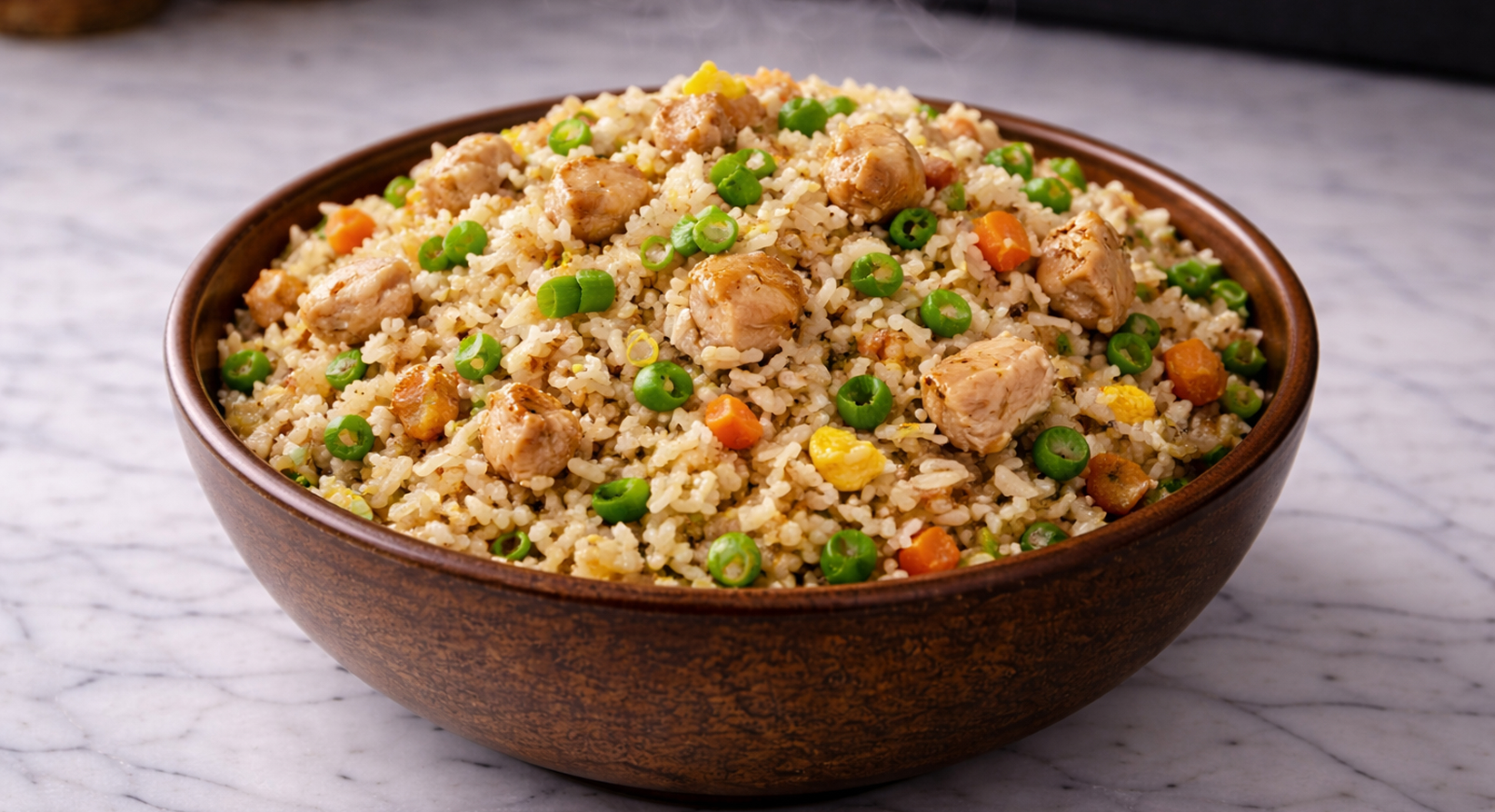
Fried rice is one of the most effective From Bin to Win transformations in everyday cooking. Fresh rice is often avoided for fried rice not because it’s unsafe but because it’s too moist and soft to fry properly. Leftover rice flips that logic.
What looks like old rice becomes:
- A drier base that fries instead of steams
- Rice that holds its shape in the pan
- Grains that absorb sauces without turning mushy
- A finished dish with better texture and flavor
From Bin to Win cooking is about understanding that food doesn’t lose its value just because it’s no longer at its freshest state. Cold, day-old rice isn’t the end of the line, it’s the ideal starting point for something better than the original meal. By turning leftover rice into fried rice, you’re not just using up extras, you’re creating a dish that often tastes better than rice cooked fresh for the same purpose. Snibbl is built around this same idea: helping people and businesses use food while it’s still fresh rather than treating perfectly usable food as waste.