

How Surplus Food Can Become Part of Your Kitchen’s Natural Flow
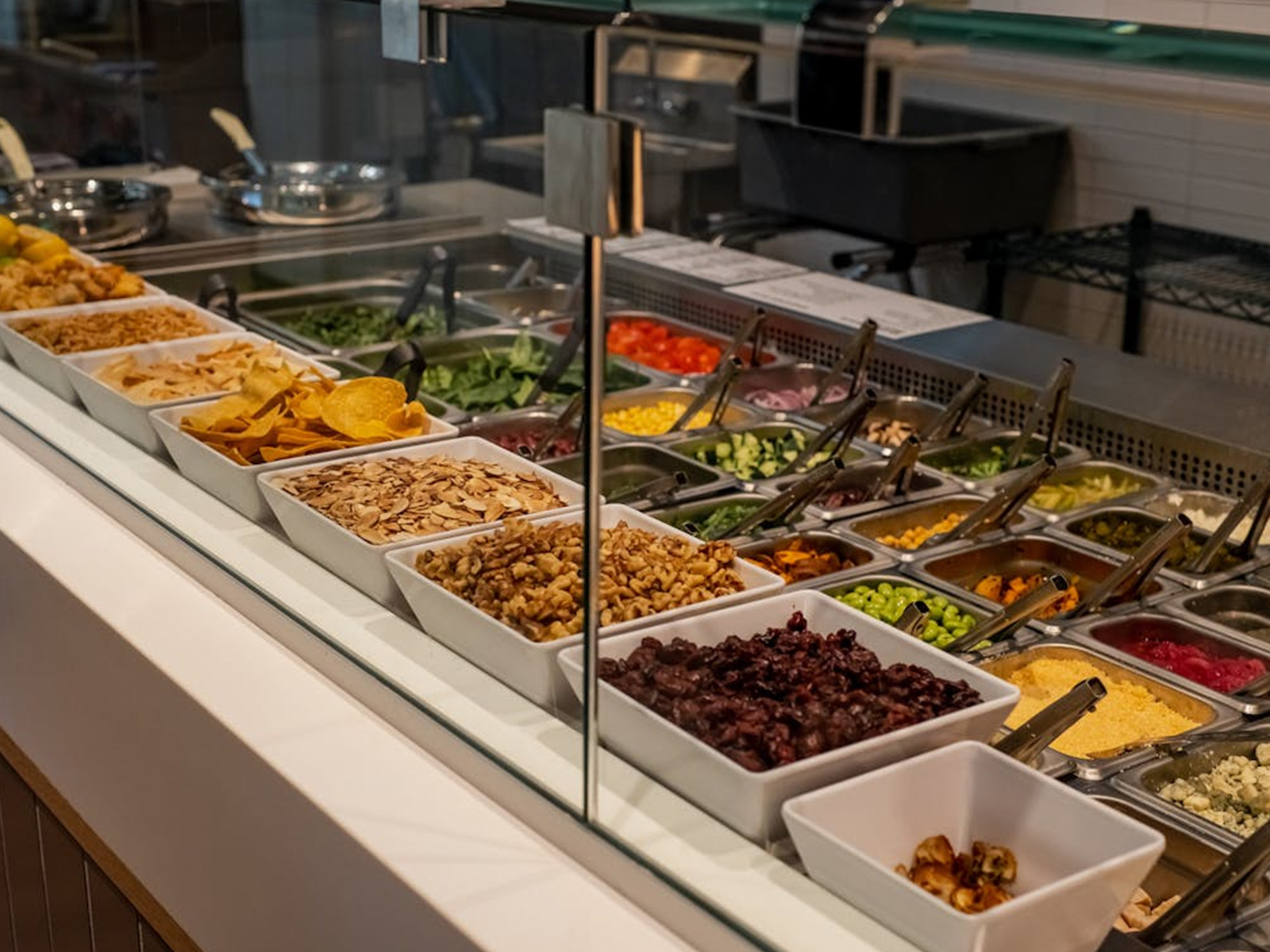
https://dcce.ae/press_releases/our-food-is-damaging-the-environment/In most kitchens, surplus food shows up quietly at the end of service in the form of a few extra portions, display items or prepared food that didn’t quite match demand. But in Dubai, this isn’t a small, occasional issue. Recent reporting shows that around 38% of prepared food in Dubai is wasted daily, a figure that climbs even higher during peak periods like Ramadan, much of it from hospitality and food service operations. Very often, it’s a tray that didn’t sell out, a handful of bowls that were prepped for a late rush that never came or items that were kept ready just in case. The issue isn’t awareness as most teams can see surplus when it happens, it is structure. Because it isn’t formally built into close-down processes, surplus is sometimes written off quickly, other nights dealt with at the very last minute and sometimes simply cleared without much thought. Whether it’s a neighborhood eat and drink restaurant, a food bowl concept or a unit inside a food court, surplus tends to show up in similar ways. The difference is often not whether surplus exists but how visible and intentional it becomes.
What’s often missed is how much of this is actually recoverable. Regional food recovery initiatives and hospitality pilots have shown that up to 40–50% of surplus food can be reduced or redirected with relatively simple operational changes. In other words, a large portion of what is being wasted today is not a food quality issue, it’s a workflow issue.
Listing surplus food can be integrated into existing restaurant operations with minimal friction if it’s aligned with how kitchens already close down, clean up and reconcile inventory. When surplus is treated as part of that same rhythm, it stops feeling like an interruption and starts feeling like a natural step in wrapping up the day. The goal isn’t to add more work but to fit surplus handling into routines that already exist. That shift in mindset is often what makes the biggest difference. Instead of being something that happens “if there’s time,” it becomes part of how the kitchen transitions from service to close.
This is where Snibbl fits in: not by changing how kitchens run but by giving surplus a place in the natural flow of close-down, so it feels less like an exception and more like part of how the day ends. Rather than creating a separate process, it works best when it supports what’s already happening: making surplus more visible at the exact moment kitchens are already taking stock of what’s left.
1. Will This Slow Down My Close?
For most restaurant owners, close is already the most sensitive part of the day as cleaning, cash-out, prep checks and staff handover all compete for attention. The idea of adding anything new can feel like it will stretch the shift or create friction at exactly the wrong time. What tends to ease that concern is seeing how surplus listing fits into steps teams already take, rather than sitting outside of them.
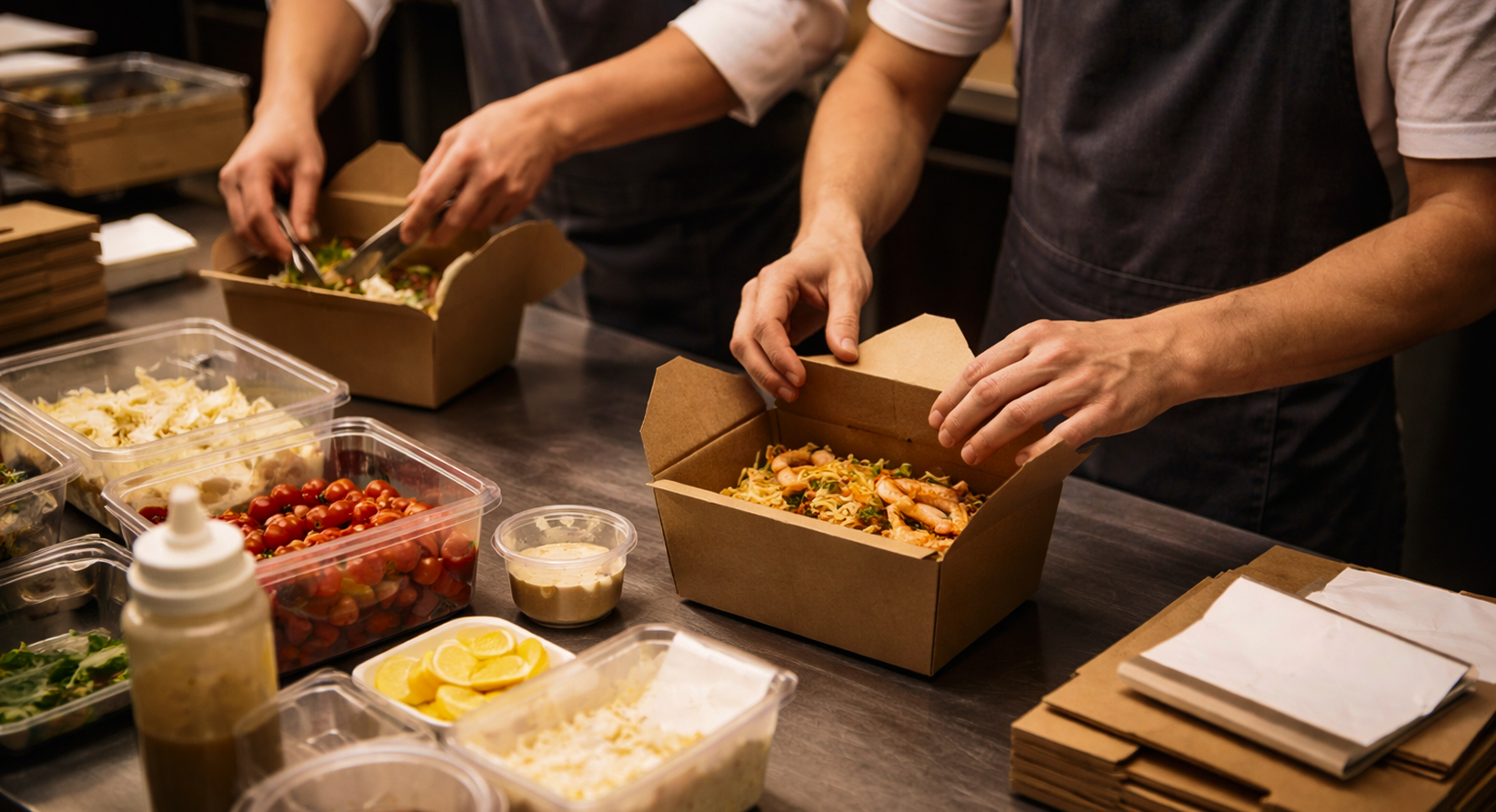
On Snibbl, kitchens can choose from a few different ways to surface surplus such as mystery bags, saver boxes or dine-in options, depending on how their operation works. The process mirrors what kitchens already do. First, the closing lead identifies what is left and what will not be carried forward, which usually happens during display clearing, hot-hold shutdown or final prep checks. Next, those surplus items or box types are added in the platform, aligning with the same moment teams already pause to assess what remains. Once the listing goes live, reservations are handled through Snibbl, so staff do not need to manage individual customer requests or negotiate quantities.
At pickup, surplus is handed over during the same window as close-down when the kitchen is already transitioning out of service. For many teams, this feels similar to handing over a late takeaway or final order rather than a brand-new process. In an eat and drink restaurant, a food bowl concept or a unit inside a food court, this often happens during a quieter period near the end of service, not after everything is shut.
For locations that show up in searches like restaurants near me or vegetarian restaurants near me, this approach can also help make use of late-day demand without reopening service or restarting prep. Instead of surplus stretching close, it stays contained within it. Over time, many teams find that surplus becomes just another small part of their end-of-day rhythm, alongside clearing displays and reconciling what’s left rather than something that delays getting out the door.
2. How Teams Experience Listing (and What Gets in the Way)
In many kitchens, surplus has traditionally been handled quietly and informally. A supervisor makes a quick call at the end of the night, some items are written off, a few things might be taken home and the rest is discarded. Surplus is noticed but not structured. It sits in the grey zone between service and shutdown where speed and simplicity take priority over optimisation. The result is that surplus is handled reactively. One night more is thrown away, another night a few items are saved and another night nothing is tracked at all. Over time, this creates a pattern where surplus feels unpredictable and inevitable, simply absorbed as part of the cost of running the kitchen.
What changes when surplus is surfaced through Snibbl is not the presence of surplus but how it is handled operationally. Instead of being an unstructured write-off, surplus is given a defined path which removes the need for case-by-case decision-making at the end of a long shift. The team no longer has to debate what might still sell, what should be saved or what should be discarded. Once surplus is identified and listed, the kitchen can move through closing with clarity, knowing those items are accounted for.
Over time, this creates something most kitchens lack with surplus: usable visibility. Patterns become easier to see. Teams start to notice which items regularly remain, which days run heavier and where prep levels can be adjusted. Surplus stops being a vague, end-of-day inconvenience and becomes a practical signal about real demand. For locations that appear in searches like restaurants near me or vegetarian restaurants near me, this visibility is especially valuable. It allows remaining food to reach nearby customers without extending service hours or changing production. The kitchen still closes on time but fewer items are treated as pure loss.
For restaurant owners, the shift is subtle but meaningful. Surplus moves from being something tolerated to something actively managed. Not because there is suddenly less surplus overnight but because it now has structure, consistency and a predictable outcome. That difference between reacting to surplus and managing it is what converts surplus into an operational lever.

3. What Happens After Surplus Is Live
Once surplus is live on Snibbl whether through a mystery bag, saver box or dine-in option, it is clearly separated from regular service flow. From the kitchen’s perspective, that food is now designated as end-of-day which helps remove uncertainty around whether it should still be treated as part of active service. This clarity is especially useful in high-footfall environments, including food court locations where teams are often balancing shutdown with late walk-ins and final orders.
Operationally, this means teams can continue with cleaning, breakdown and handover without needing to re-enter prep mode or manage one-off customer requests. The Snibbl options allow restaurants to choose what fits best for their format, whether that’s bundling items into a saver box, offering a mystery bag or making surplus available for dine-in, while keeping the kitchen focused on closing. For locations that appear in searches like restaurants near me or vegetarian restaurants near me, this also helps connect surplus with nearby customers in a controlled way without reopening service or changing the pace of close. Over time, many partners find that this separation brings more predictability to the end of the day making surplus easier to manage and less disruptive for the team.