

How Everyday Food Choices Shape Sustainability in the UAE
Sustainability in the UAE is often discussed in terms of national strategies, green buildings and energy transitions but beyond policies, sustainability also plays out in everyday decisions, especially around food. The challenge isn’t awareness, the challenge is how cities operate daily and practice sustainability in real life.
From restaurants managing demand to consumers searching for affordable food, sustainability increasingly depends on when and how food is consumed, not just where it comes from. This is where everyday choices begin to matter. Every day, cities throw away thousands of perfectly edible meals because urban food systems are built around predicting demand which is never perfect. These moments are rarely visible, yet they sit at the center of sustainable food choices in modern UAE cities.
The gap lies in what happens during the last few hours of service when food is still fresh but no longer sellable at full price. Most people never see this moment which is why food waste feels abstract. This is where surplus food platforms like Snibbl come into play but to understand that, you first need to see how big and invisible the problem really is.
1. How Urban Food Consumption Impacts Sustainability in the UAE
Urban centres in the UAE operate under unique conditions: high density, diverse populations, strong dining culture and sharp demand peaks. To meet expectations, food businesses prepare more than they end up selling.
Every day:
- Cooked meals go unsold after dinner hours
- Bakery shelves are cleared at closing time
- Prepared food exceeds demand by small but consistent margins
Individually, each outlet might discard 5–20 meals, a tray of rice or pasta or a few kilos of baked goods. Multiply that by thousands of food outlets and it becomes an entire neighborhoods’ worth of meals disappearing daily. This isn’t accidental, it’s structural.
Restaurants & Cafés: A mid-sized restaurant typically prepares 5–15 extra portions per service to avoid running out during peak hours. Across lunch and dinner, this often results in 10–30 unsold meals per outlet per day. In a city with roughly 10,000 restaurants, even conservative estimates translate to 100,000+ meals daily that were cooked, kept warm and ready but never consumed.
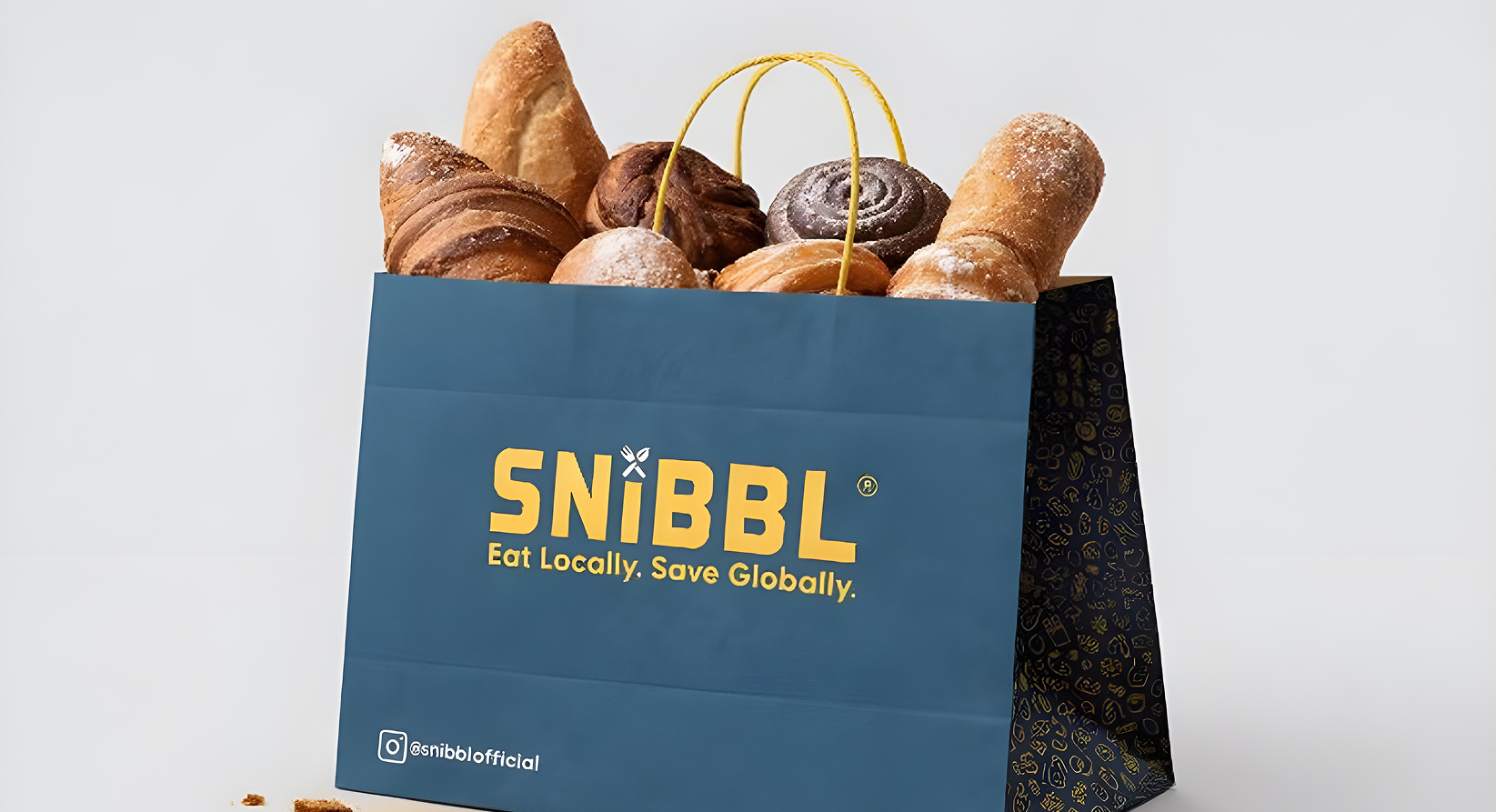
Bakeries: Bakeries prioritise freshness above all else. Unsold items at closing like bread, pastries and desserts are rarely carried forward. On average, 10–25% of daily baked inventory remains unsold which equals 15–40 items per bakery per day. Across dense urban bakery clusters, this becomes one of the largest silent inefficiencies in the food system.
Cloud Kitchens: Cloud kitchens rely heavily on demand forecasting. A slower-than-expected evening or sudden drop in orders can leave packed, ready-to-deliver meals with no buyers. Typical surplus ranges from 5–20 meals per kitchen per day, especially on weekdays.
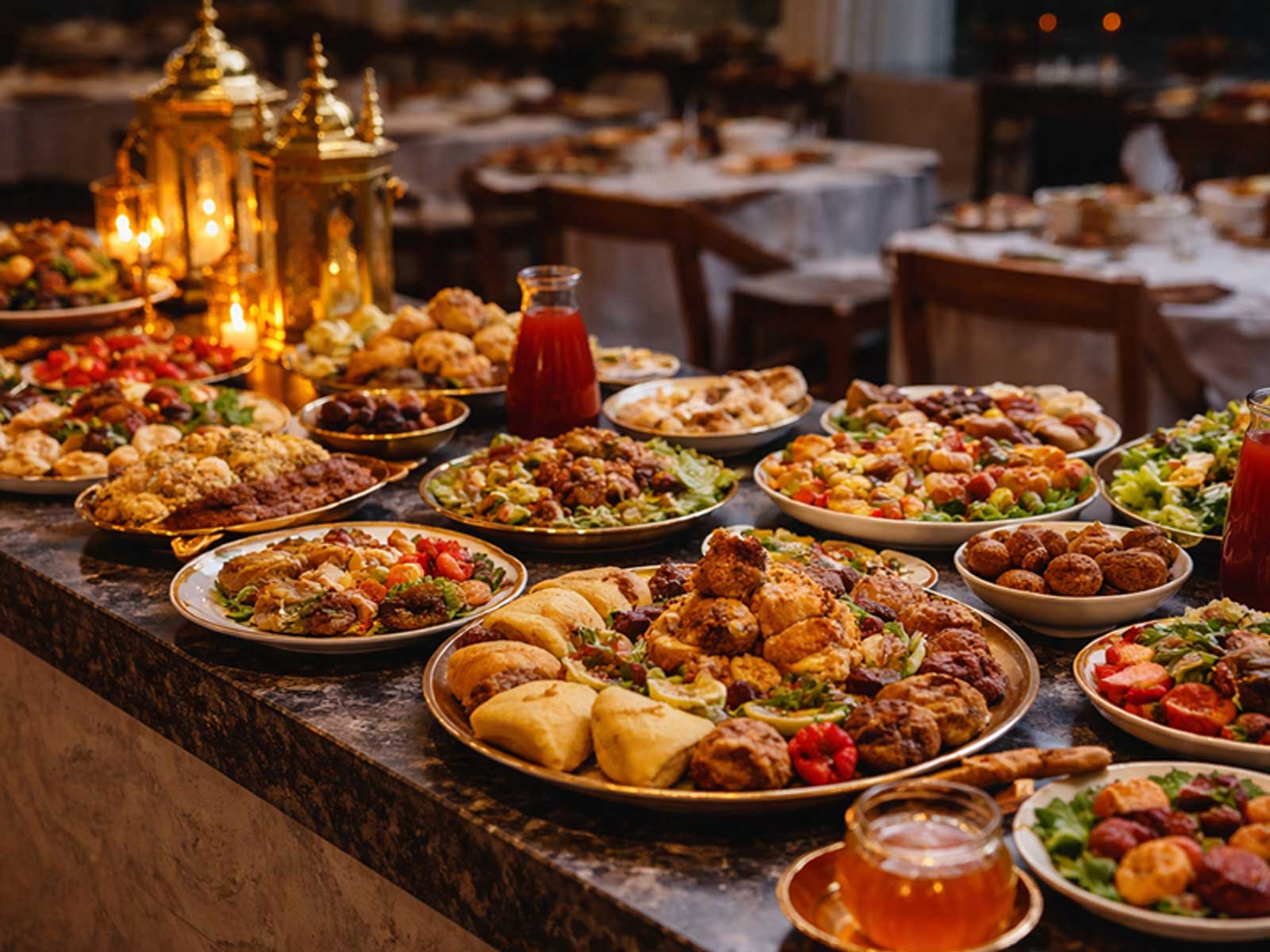
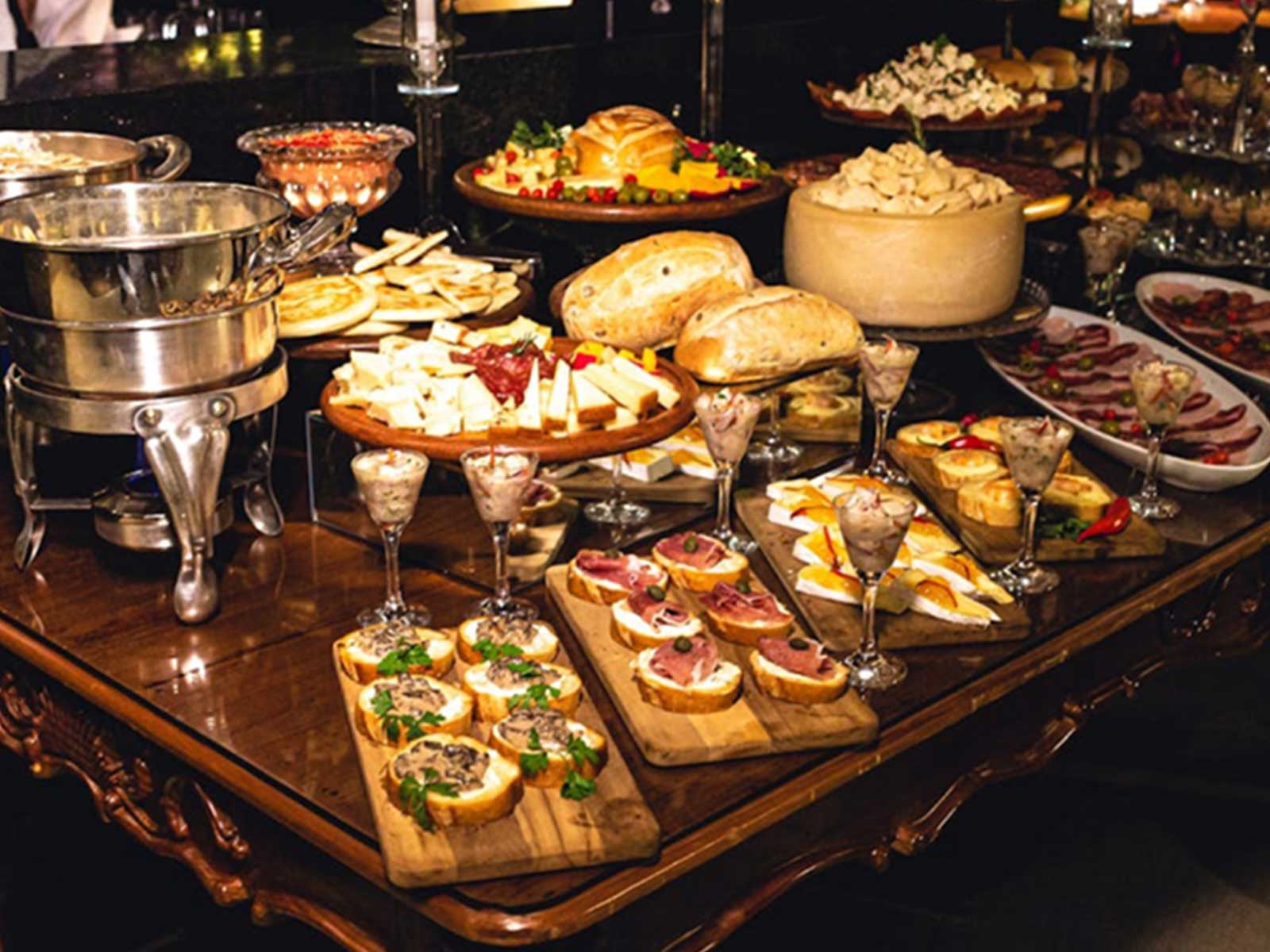
Events and Catering: Catering and large-format dining experiences, including brunch services, are designed to avoid shortage at all costs. Buffets are intentionally over-prepared to maintain appearance and guest satisfaction. Industry estimates suggest 10–20% of catered food goes uneaten, which can mean hundreds of servings left behind in a single event.
According to the UNEP Food Waste Index and multiple UAE government–backed sustainability reports, post-preparation surplus at the consumption stage is one of the most persistent inefficiencies in urban food systems. The same pattern keeps repeating: excess peaks toward the end of service, not during it.
2. Why These Inefficiencies Stay Invisible and Why They Matter for Sustainability
Most people never see these inefficiencies because they happen:
- After customers leave
- In back kitchens and prep areas
- During nightly clean-down routines
By the time streets are quiet, food has already moved from counter to bin.
From the outside, it’s easy to ask: Why not save it for later?
But for food businesses, several constraints apply:
- Food safety regulations that limit resale windows
- Freshness standards customers expect from brands
- Reputation and compliance risks
- Operational costs of storage and monitoring
Even when food is perfectly edible, holding it overnight often introduces more risk than value. As a result, surplus is treated as unavoidable despite the resources already invested in producing it. For consumers, this disconnect makes sustainability feel distant. Yet many people already practice it unknowingly by avoiding over-ordering, seeking affordable food and timing purchases carefully. This is the same mindset behind everyday searches like brands for less near me: getting more from existing supply rather than creating new demand.
At its core, sustainability in the UAE isn’t just about reducing consumption, it’s about using what already exists more efficiently.
3. Where Platforms Like Snibbl Fit Into the UAE’s Sustainability Picture
There is a narrow but critical window every day when:
- Food is fresh
- Kitchens are closing
- Full-price demand has ended
This window is where food has maximum quality but minimum commercial value.
Food surplus platforms such as Snibbl are designed specifically for this moment. Instead of changing how food is cooked or prepared, they focus on surfacing surplus food at the right time, before it becomes waste.
By doing this, surplus platforms:
- Help restaurants recover some value
- Give consumers access to affordable meals
- Reduce waste without compromising safety or quality
By connecting existing supply with real-time demand, surplus platforms support sustainability without asking consumers or businesses to compromise on quality.
Food waste in cities isn’t rare, accidental or careless. It’s predictable, daily and happening every night when shutters come down and kitchens close. Once you see where the waste actually comes from, the solution stops being abstract and starts becoming practical.