

Why So Much Perfectly Good Food Ends Up Wasted
Every day, restaurants discard food that is freshly prepared, safe to eat and never served to a customer. This happens not because the food is bad, but because of how operations, selling windows and discovery systems are structured.
A key reason this food gets wasted is a timing and visibility gap. Surplus food becomes available at the end of service hours but most people are no longer actively searching for meals at that moment. Traditional discovery channels are designed around peak demand, not end-of-day surplus.
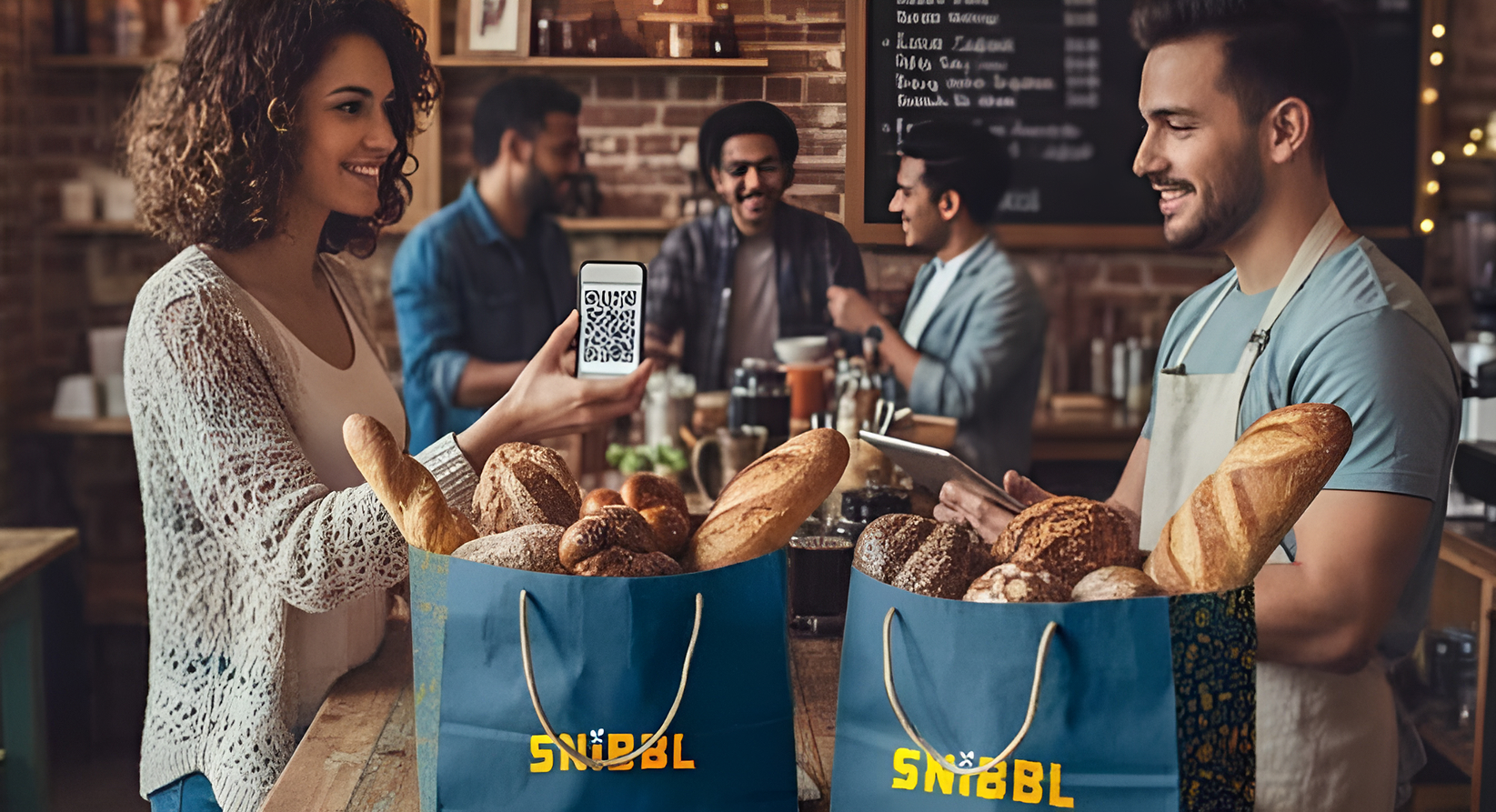
Snibbl addresses this gap by enabling restaurants to make surplus food visible before closing time, during the brief window when it would otherwise remain unsold. Understanding why this issue exists first requires understanding how surplus is created in the first place.
1. Why Surplus Food Exists Even When Demand Is High
Restaurants operate under uncertainty. To meet fluctuating customer demand, kitchens prepare food in advance, ensuring availability throughout the day. This approach protects service quality but also creates inevitable surplus.
At the end of service hours:
- Freshly prepared food remains unsold
- Safety and quality policies prevent resale the next day
- Storage and reheating constraints limit reuse
This surplus is a structural outcome of how food service works, not poor planning.
In large chains and independent outlets alike, including global fast-food operators such as McDonald’s, KFC, Subway and Krispy Kreme, strict freshness standards mean food prepared for the day cannot be carried forward, even when it remains safe to eat. This operational reality is one of the biggest contributors to food waste across the industry.
2. Why Food Can’t Be Sold the Next Day
a. Hygiene and Food Safety Requirements
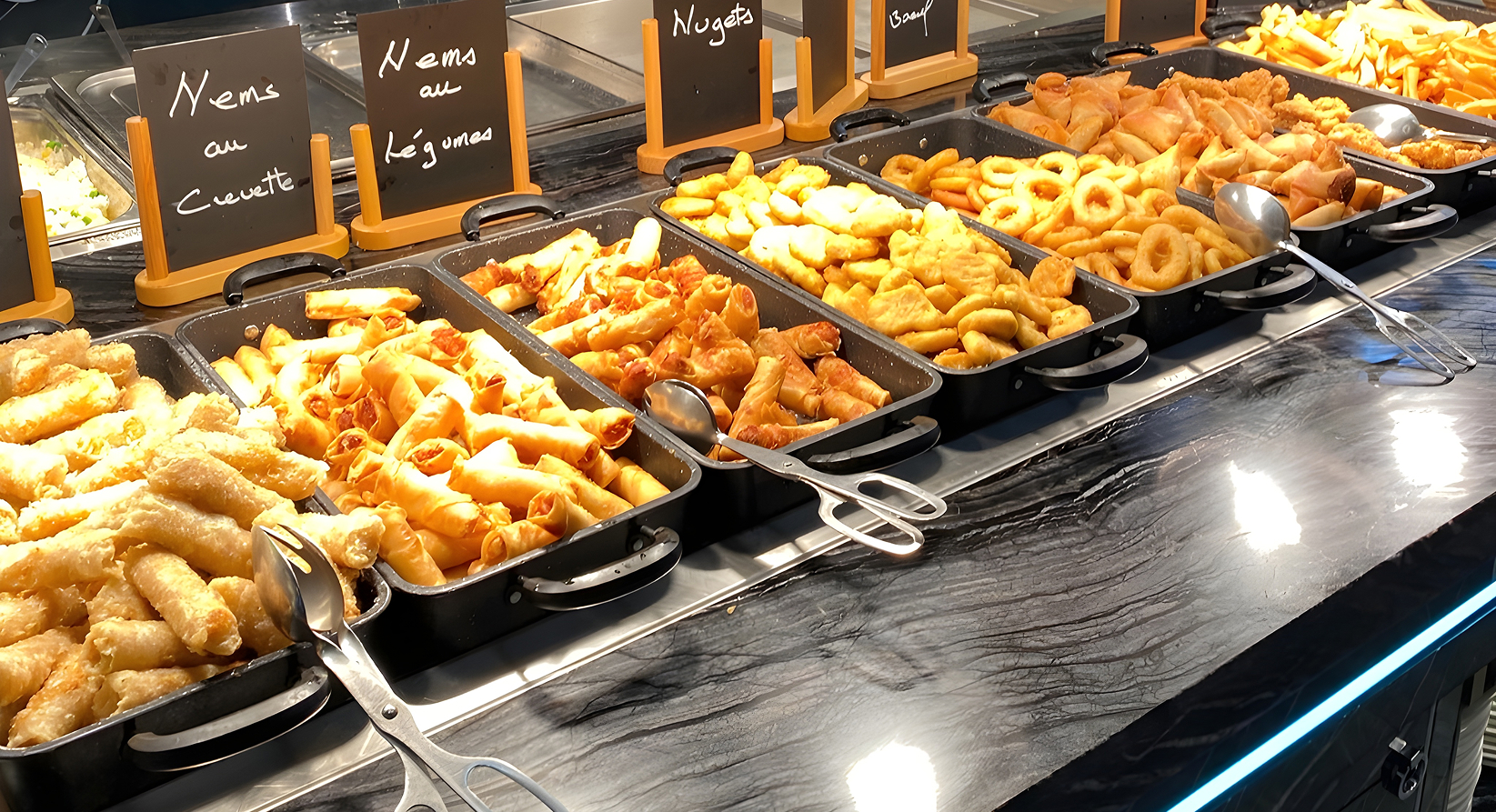
In most restaurants, food is prepared under same-day service guidelines. These guidelines are designed to protect food quality and safety instead of maximizing resale potential. Once a meal is cooked, it enters a limited holding window during which it can be safely served.
Holding time limits exist because:
- Cooked food degrades in quality over time, even under refrigeration
- Temperature fluctuations increase risk during storage and reheating
- Restaurants must comply with documented food safety practices
Temperature and storage compliance is especially strict in professional kitchens. Prepared food must be held within specific temperature ranges, and once it falls outside approved thresholds, it can no longer be sold, even if it still appears fresh.
This is why freshness does not automatically mean resale eligibility. A meal can look, smell and taste fine while still failing to meet the operational standards required for sale the following day. These hygiene requirements are consistent across the industry and are a foundational reason why surplus food cannot be carried forward.
b. Operational and Policy Restrictions
Beyond hygiene considerations, restaurants also operate under internal policies and brand standards that govern how food is handled once service ends. Many global chains and independent restaurants follow:
- Same-day sales policies
- Brand consistency requirements
- Standardized discard procedures
Large fast-food operators such as KFC, McDonald’s, Subway and Krispy Kreme apply uniform food-handling policies across locations. These policies are designed to ensure consistency, protect brand trust and simplify compliance across thousands of outlets. Smaller restaurants often adopt similar practices to align with regulatory expectations and customer confidence. Once food falls outside its approved selling window, it is removed from sale regardless of appearance or perceived freshness.
Regulatory compliance further reinforces these policies. Restaurants are accountable not only for food safety, but also for traceability, quality assurance and audit readiness. Allowing next-day sales of prepared food introduces operational complexity and risk that most food service systems are not structured to manage.
As a result, surplus food becomes a predictable outcome of normal restaurant operations. Across the industry, food that cannot be sold within its approved window is taken out of circulation, contributing to food waste despite being prepared correctly and handled responsibly.
3. Where Food Apps Fit In and Where the Gap Exists
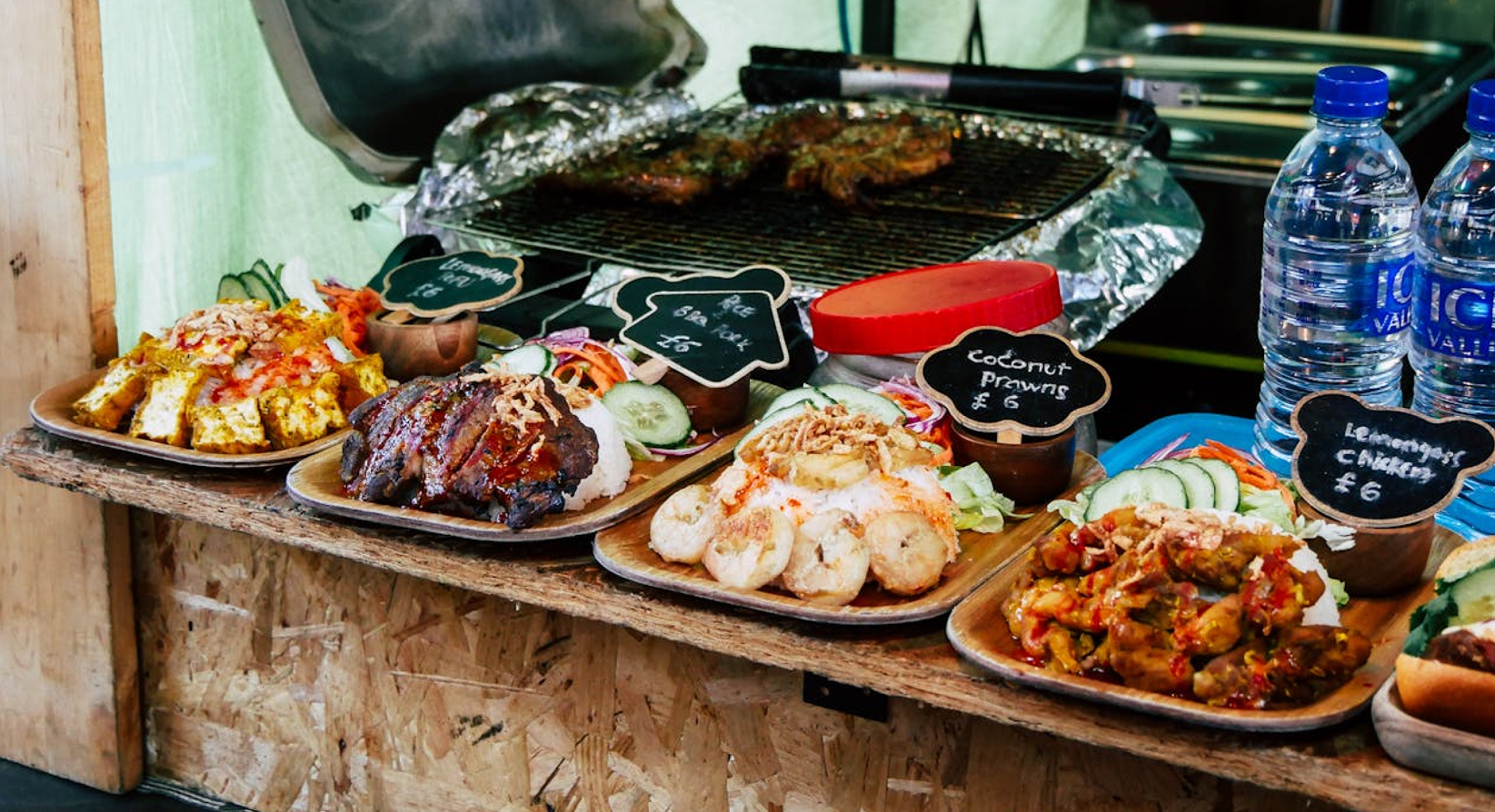
Most food apps Dubai users rely on are optimized for convenience, speed, and full-menu availability during peak hours. A typical food delivery app Dubai residents use focuses on active demand, not surplus timing.
As a result:
- Perfectly good food exists when demand drops
- Visibility disappears at closing time
- Surplus food becomes food waste
Alongside mainstream food apps in Dubai, a newer category of platforms focuses on addressing this exact timing gap. Instead of listing full menus all day, these systems allow restaurants to surface surplus before closing time, when food is still viable.
Snibbl operates within this category by enabling restaurants to list surplus meals ahead of closing, making them discoverable during the narrow window when they would otherwise go unsold. This approach aligns with existing kitchen operations rather than asking restaurants to change how they prepare food.